 Foot Care
Trail Runners vs Hiking Boots: Pack Load, Grip & Drying
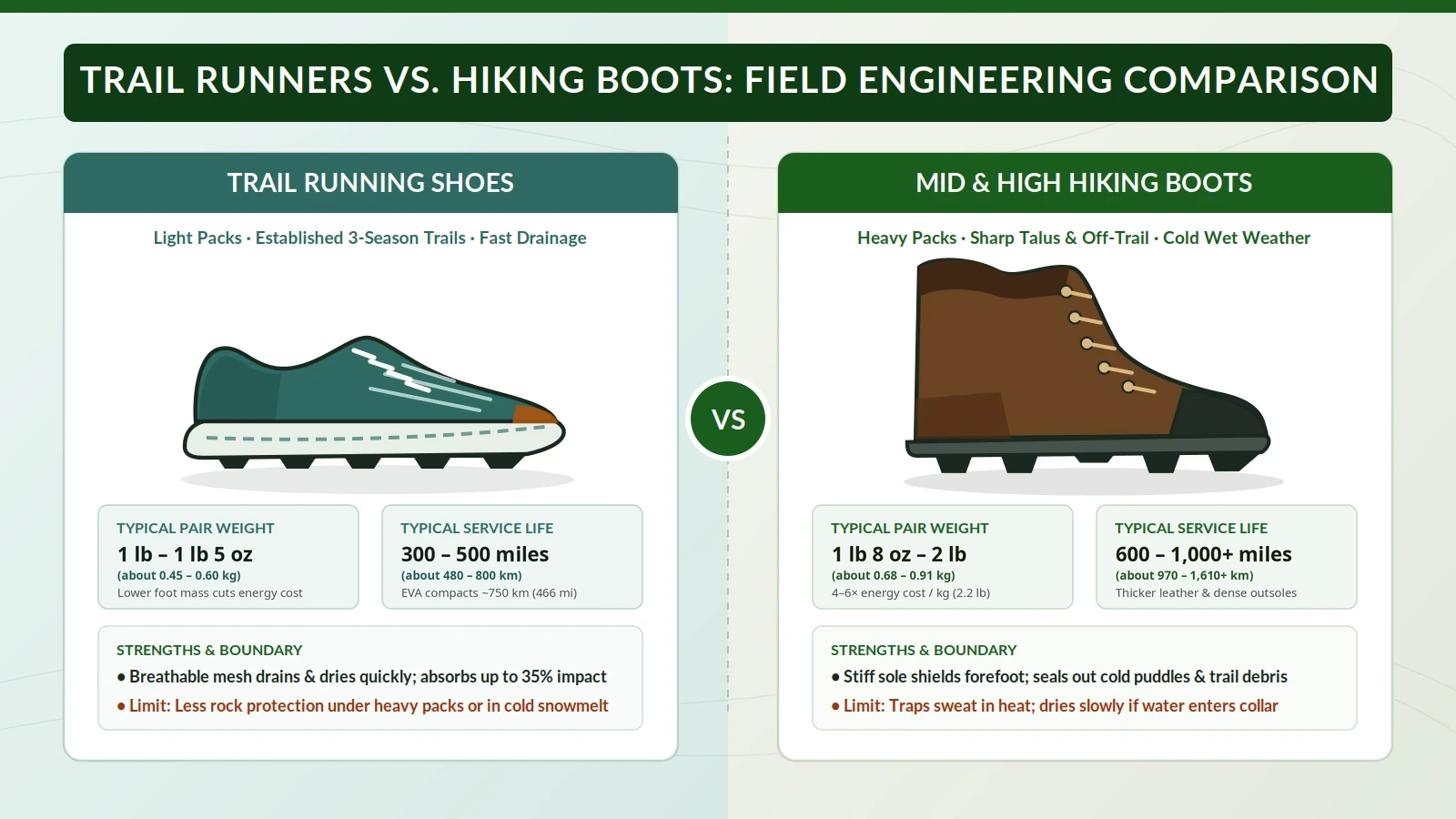
Trail runners win for light three-season hikes and fast drying, while hiking boots suit heavy packs, sharp rock, and cold wet terrain.
Looking after your feet on long walks: socks, boots, blisters and recovery.
 Foot Care
Trail runners win for light three-season hikes and fast drying, while hiking boots suit heavy packs, sharp rock, and cold wet terrain.
 Foot Care
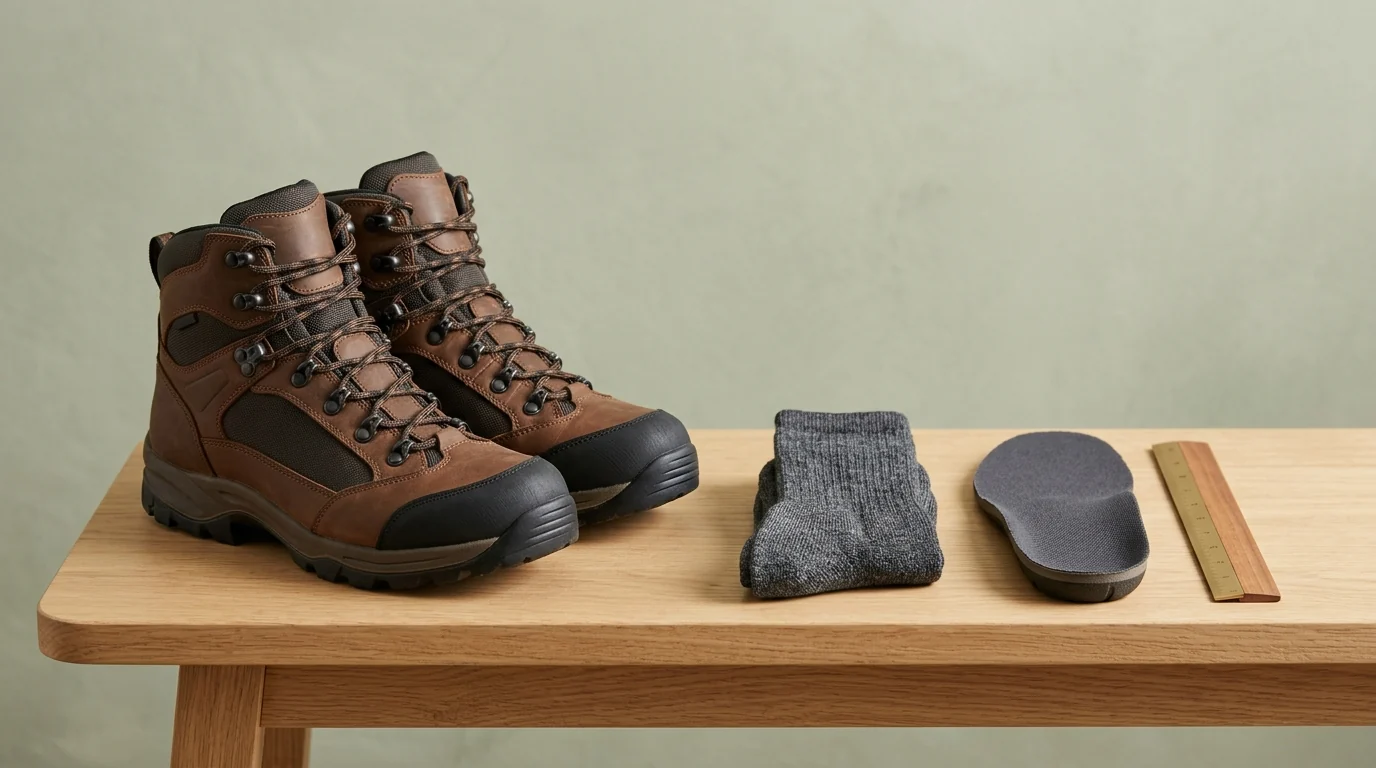
Learn how hiking boots should fit from heel cup to toe box: 10 to 20 mm toe clearance, afternoon sizing with hiking socks, and stair heel-lock tests.
 Foot Care
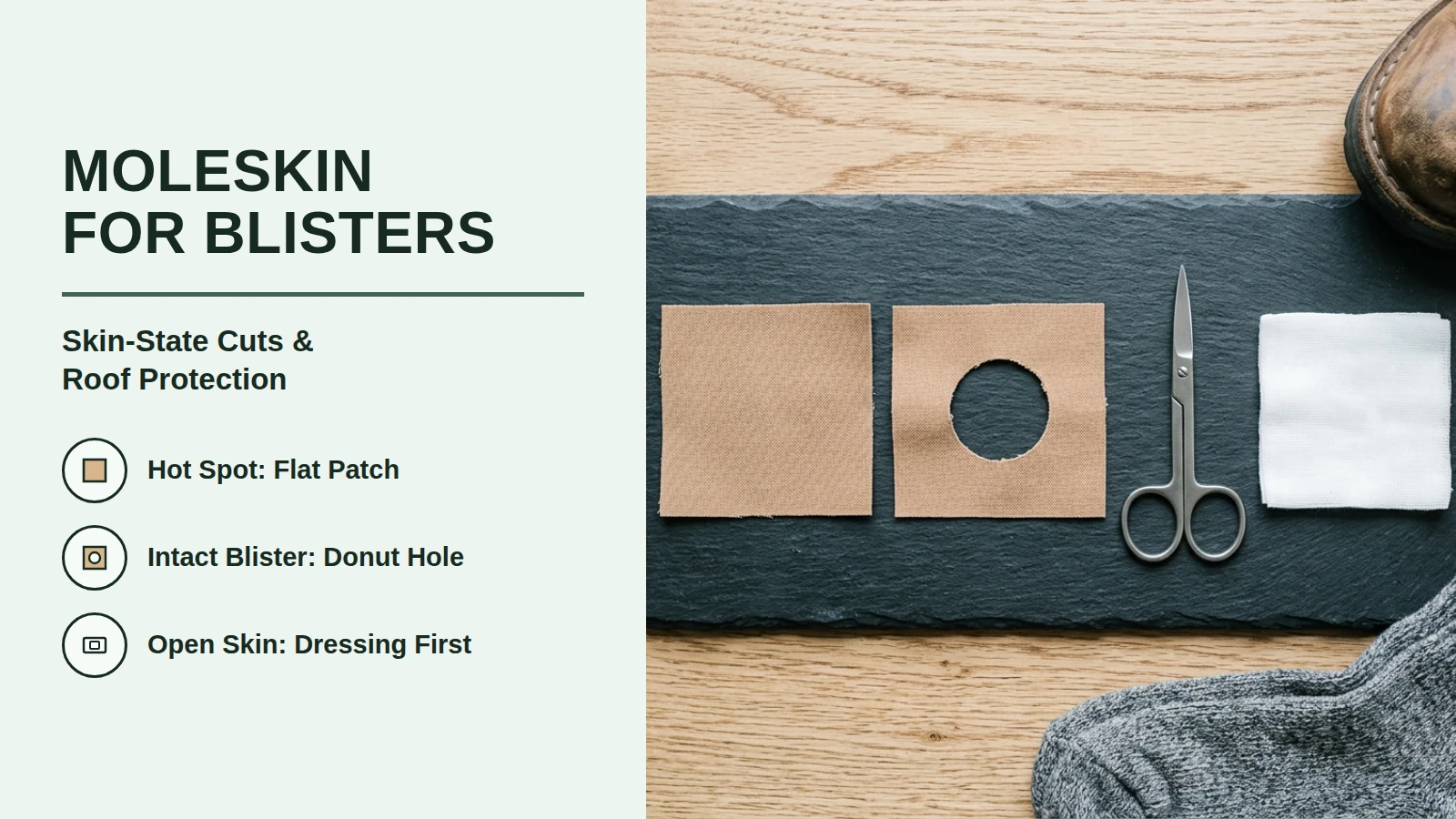
Cut a flat moleskin patch on a hot spot that has not risen. Cut a hole around a raised blister so adhesive stays off the roof, and cover an open blister first.
 Foot Care
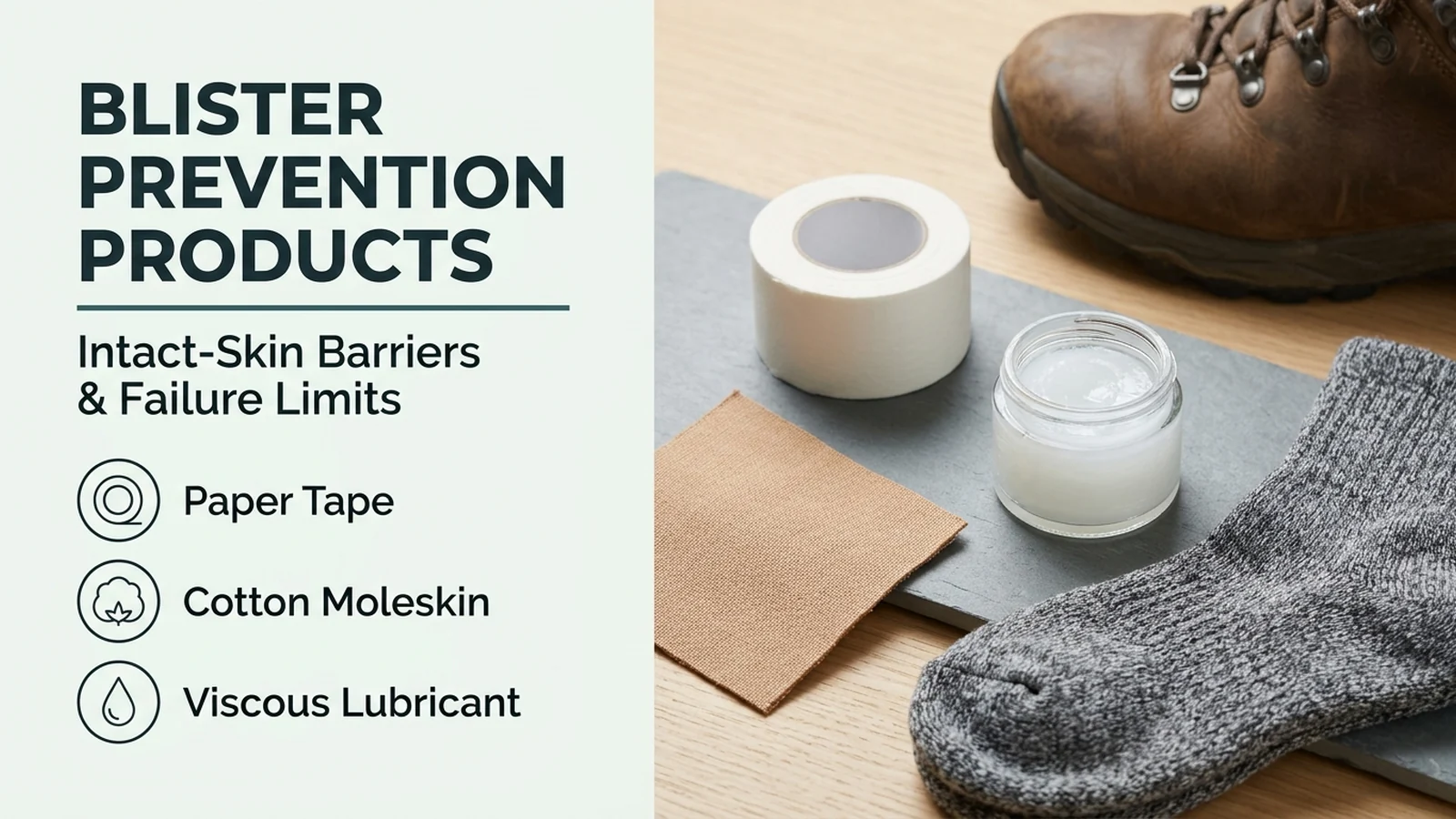
Clinical foot-blister trials support dense padded acrylic socks and neoprene insoles; paper tape is equivocal, while moleskin and lubricants lack confirmed trials.
 Foot Care
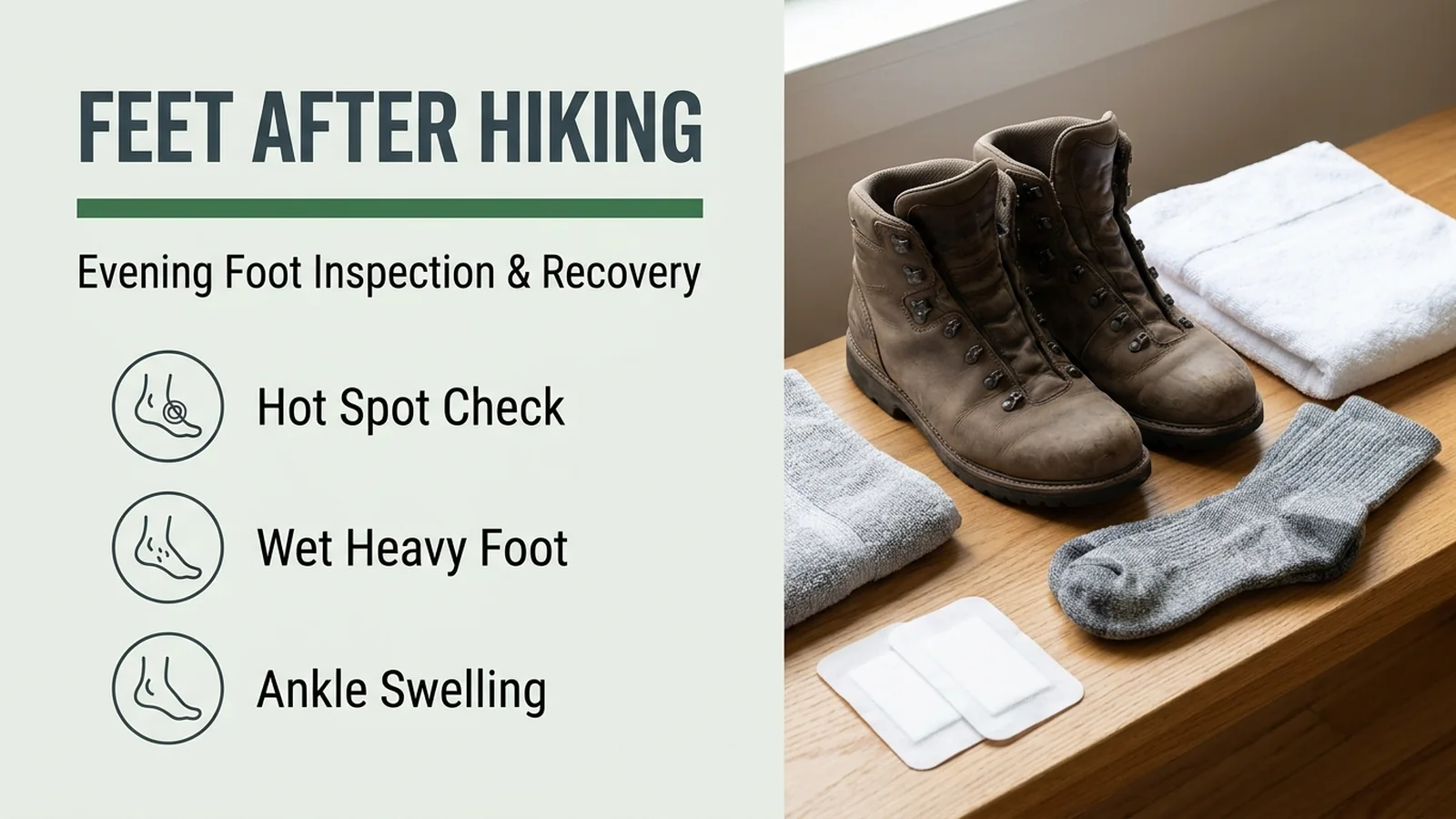
After hiking, inspect red hot spots, cover intact or burst blisters without popping, soak suspected trench foot 5 minutes in warm water, and wear wide shoes.
 Foot Care
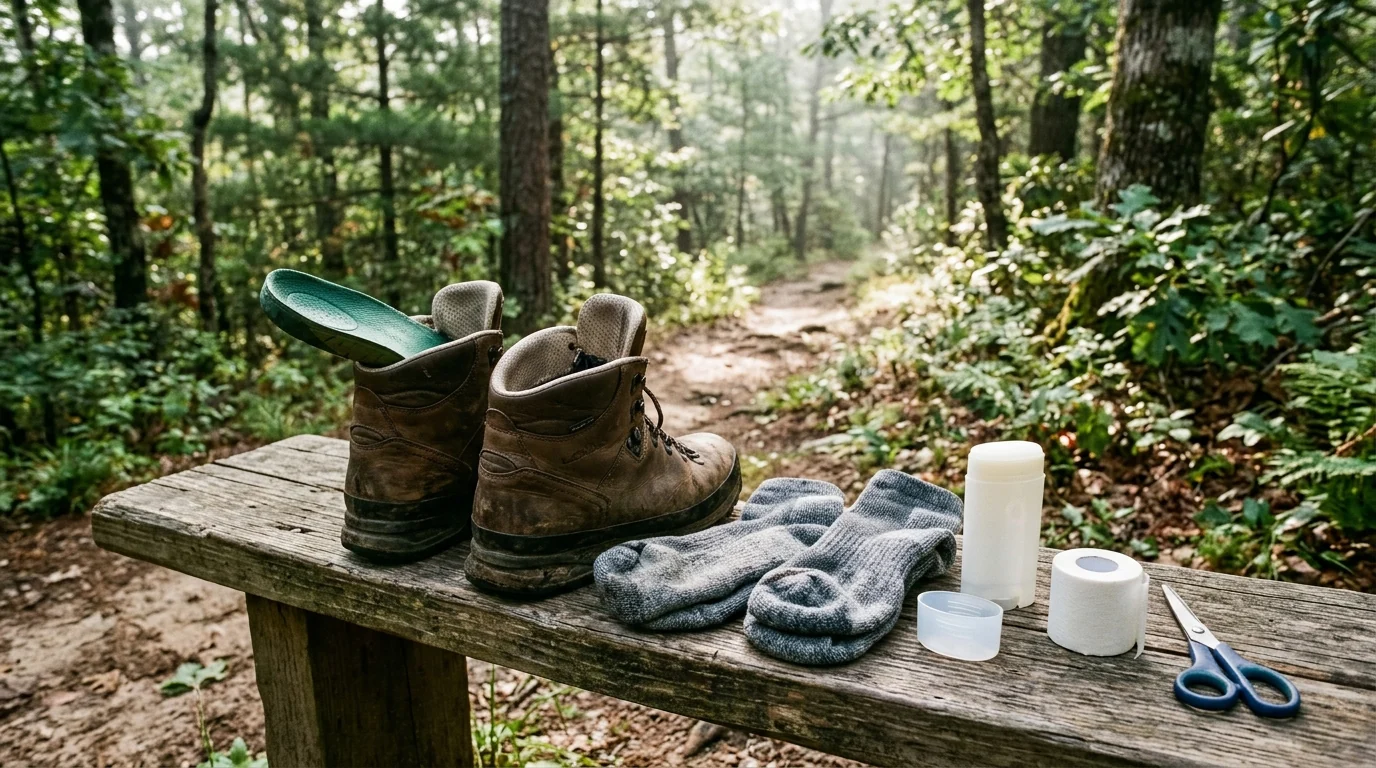
Use anti-chafe balm for feet alongside boot-fit diagnostics, OTC skin protectant rules, paper tape, moleskin, and dry-sock protocols for hikers.
 Foot Care
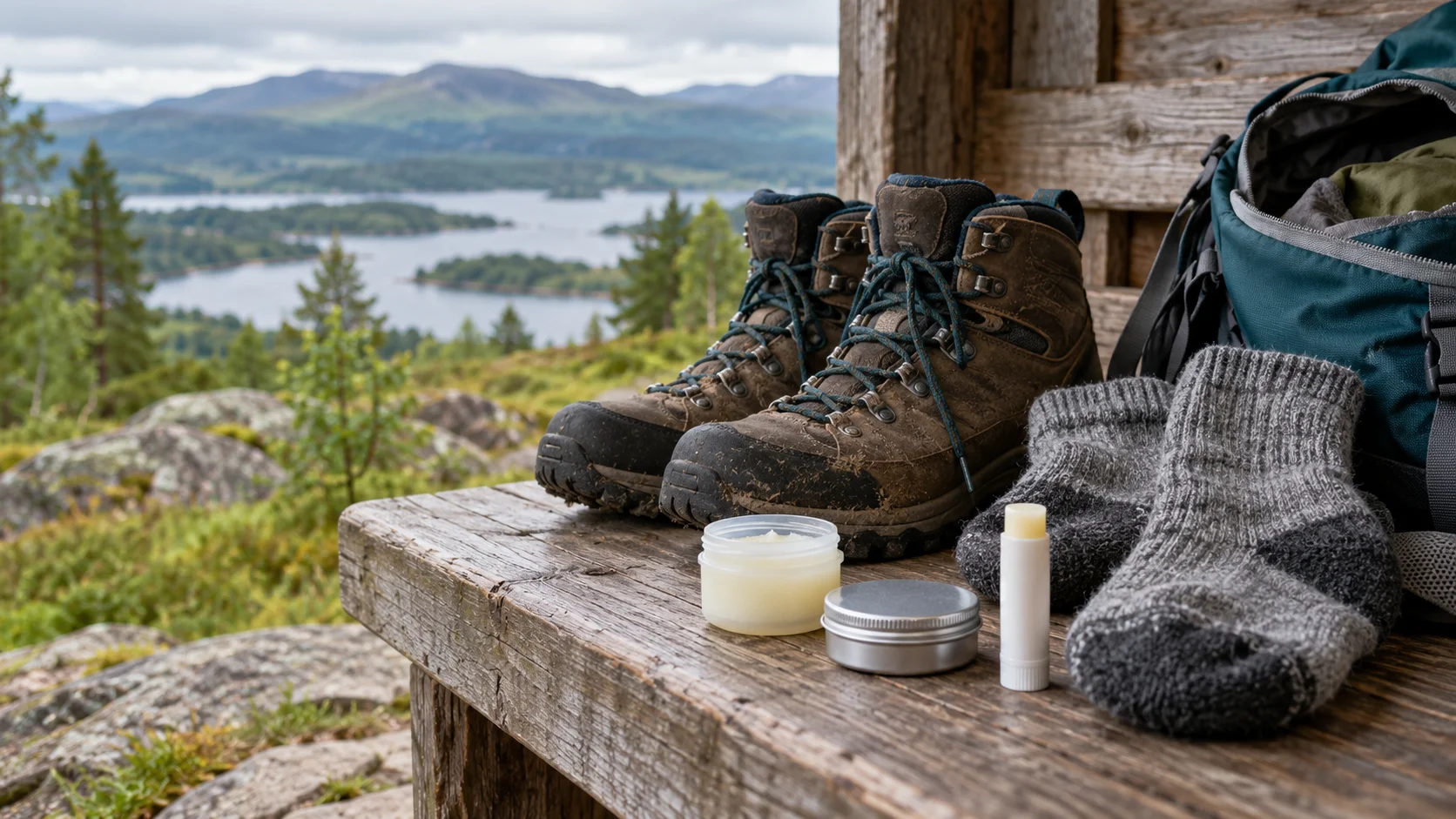
Compare anti-chafe balm, Vaseline, and Bag Balm by 90-minute friction limits, lanolin allergy risk, occlusion science, and hiking sock fiber care.
 Foot Care
Compare Merino-Nylon-Elastane blend ratios, 200N vs 168N vs 144N knit gauge, commercial hiking socks, two-sock liner physics, and wet-boot rotation for 30-mile yomps.
 Foot Care
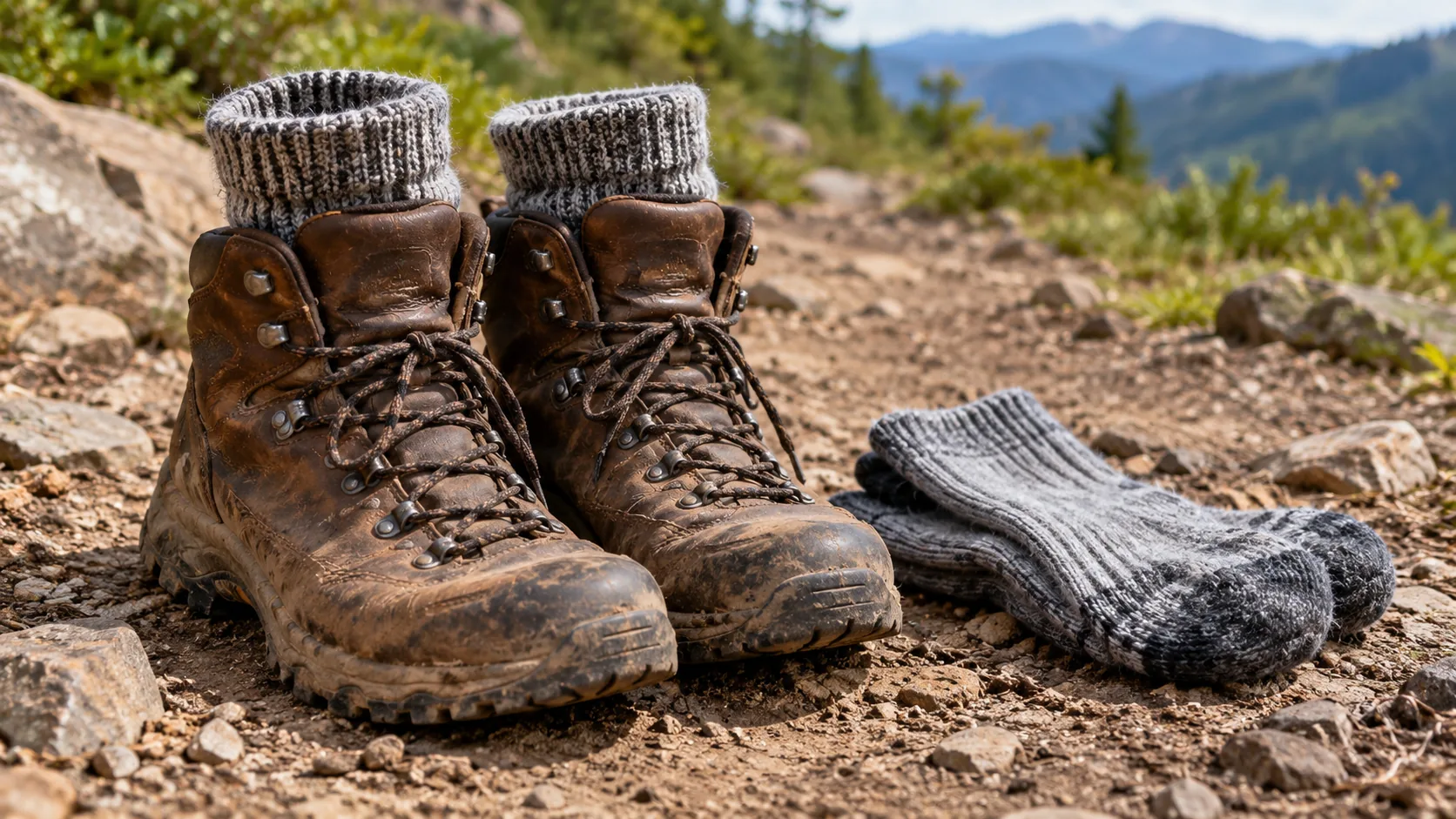
Break in boots (>20 h/wk), wear dense padded socks and neoprene insoles, and stop at skin redness; stay off the shoes that caused a blister until it heals.
 Foot Care
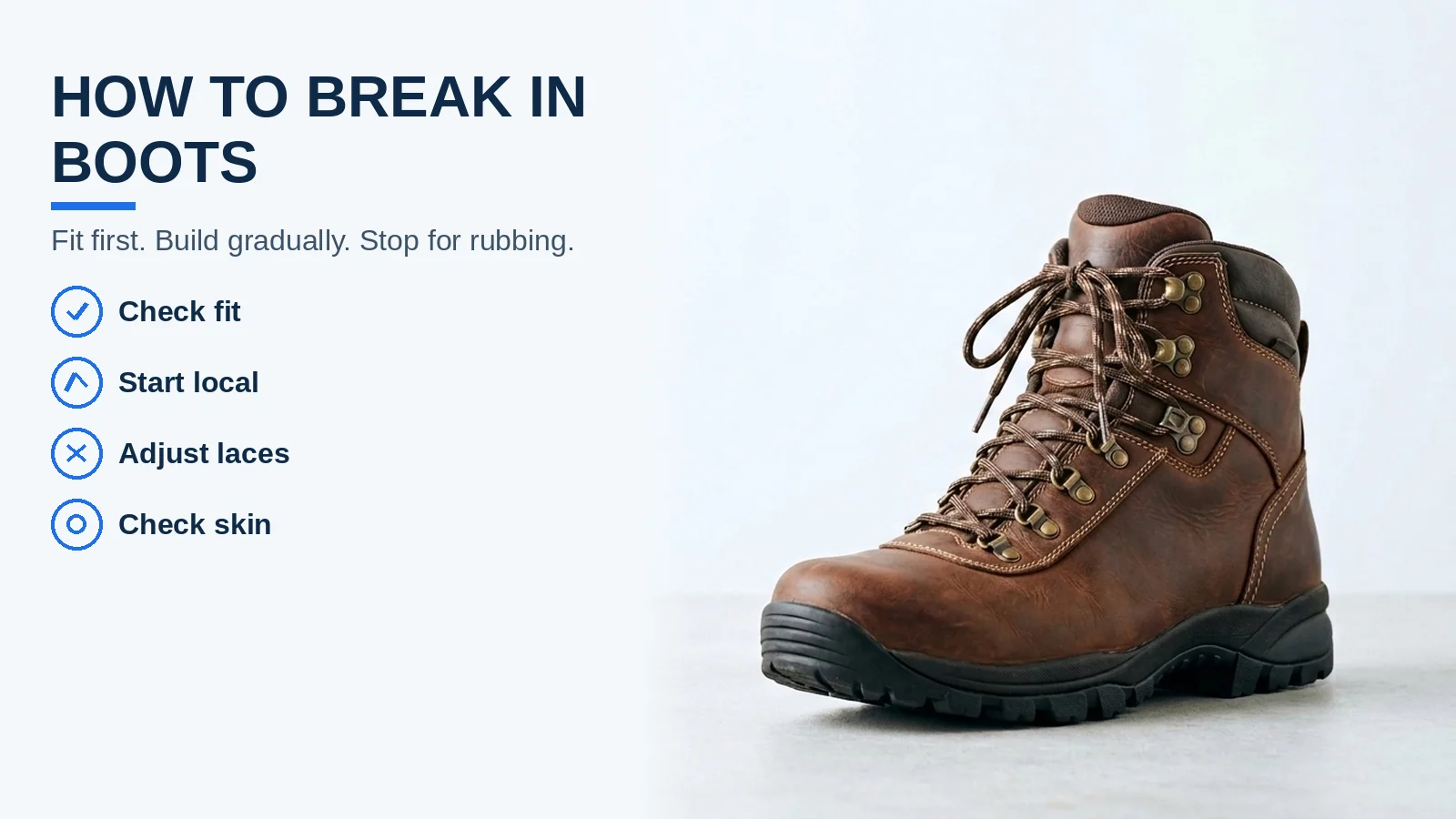
Break in hiking boots gradually with fit checks, local walks and zoned lacing. Learn when to advance, stop for a heel hotspot or get a boot fit checked again.
 Foot Care
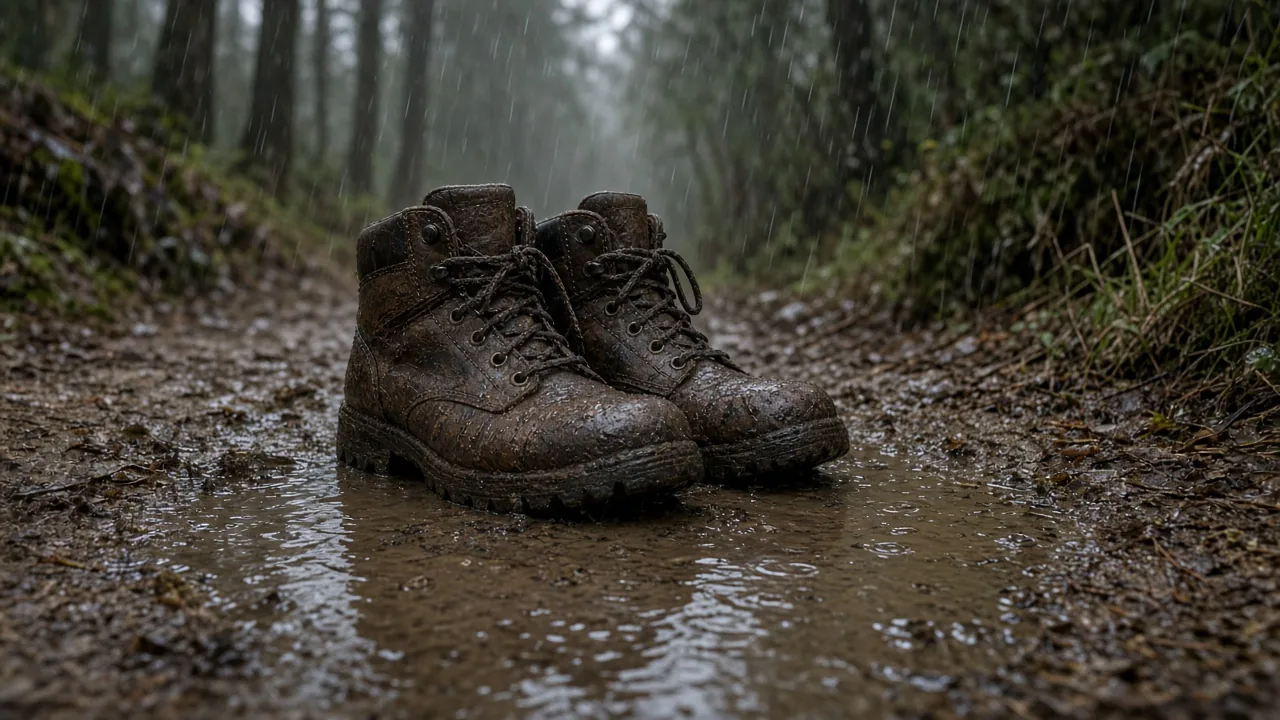
Check where rain entered a hiking boot, what rain pants and a dry sock can change, and when wet feet need medical help.
 Foot Care
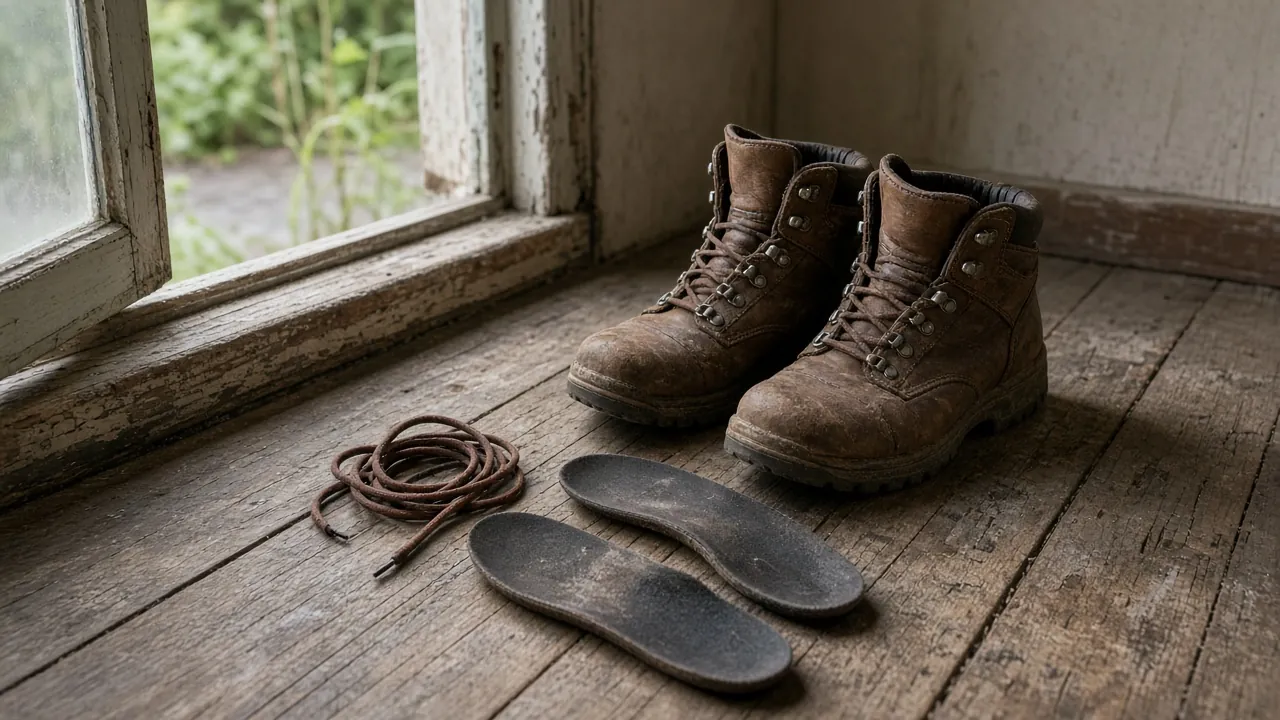
Match power, removable insoles, and airflow when drying hiking boots overnight, then check the feet if the boots are still damp.
 Foot Care
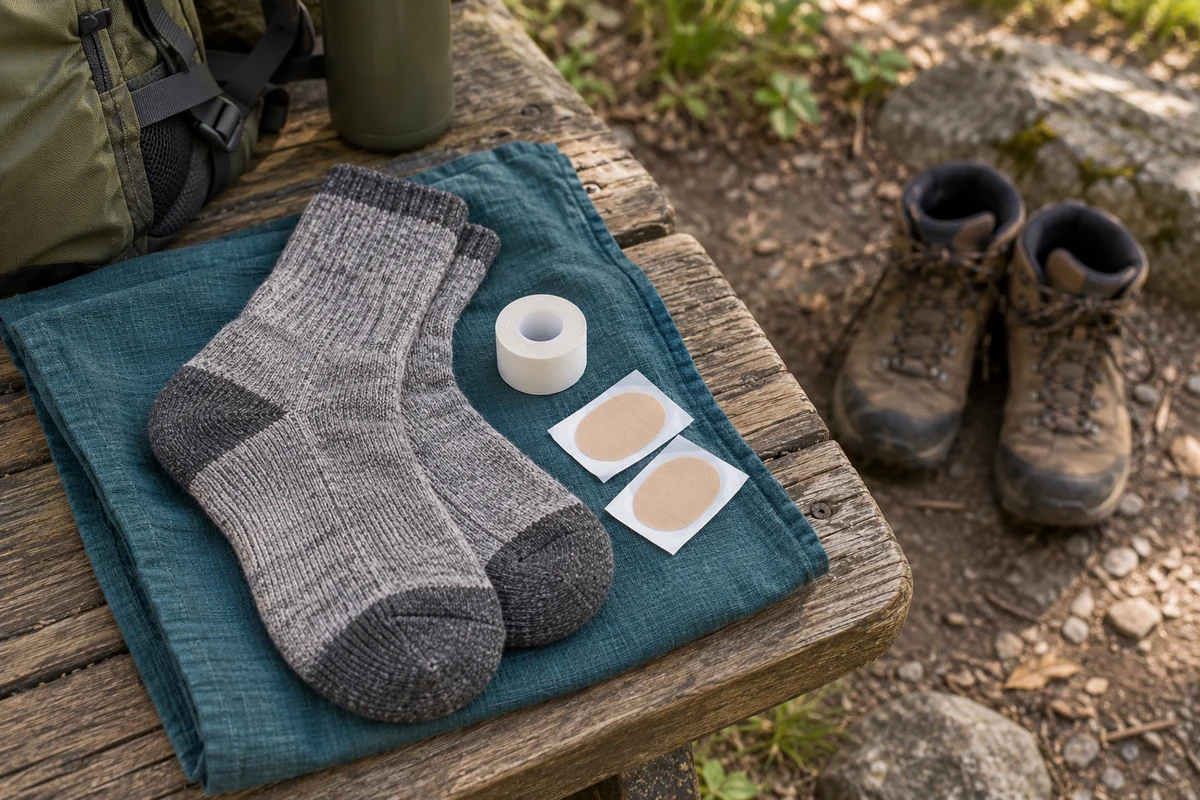
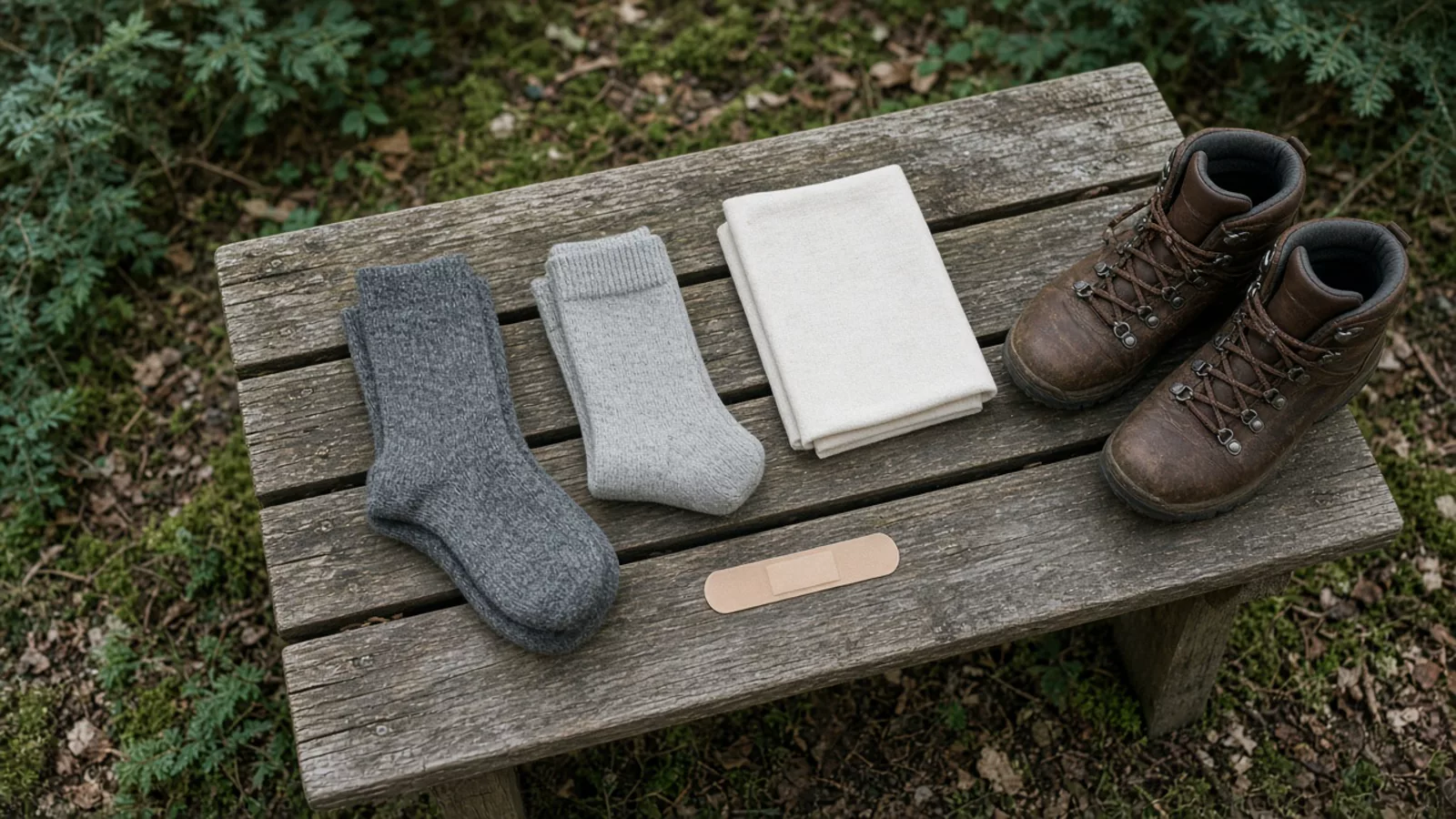
A foot care kit for hiking: dry spare socks, a clean cloth, and a simple cover, with hygiene checks and the point where you stop and ask for help.
 Foot Care
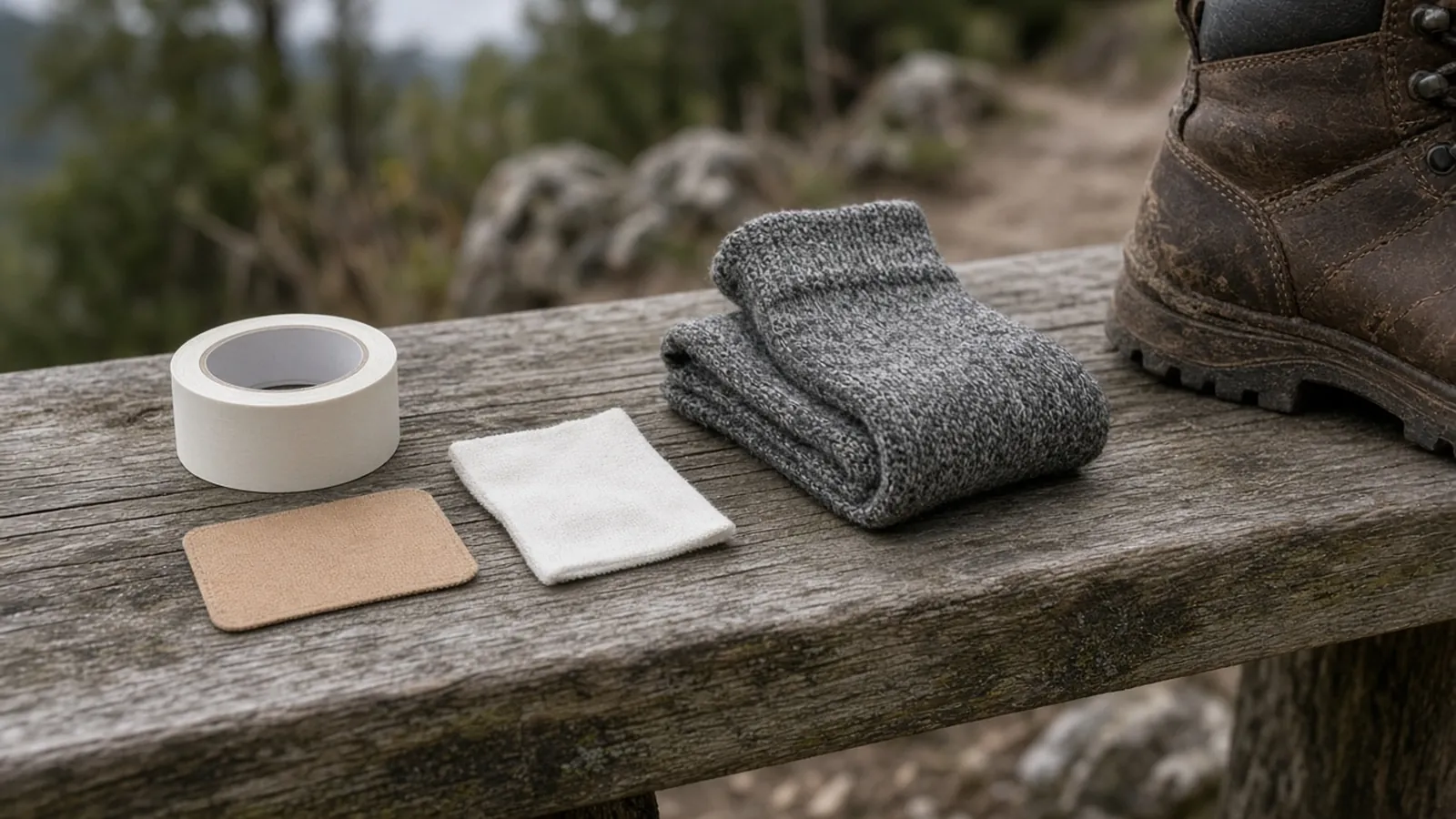
Nonelastic paper tape cut blisters 40% in Pre-TAPED II yet failed in Pre-TAPED I. See how hiking blister tape compares with moleskin, dressings, and skin rules.
 Foot Care
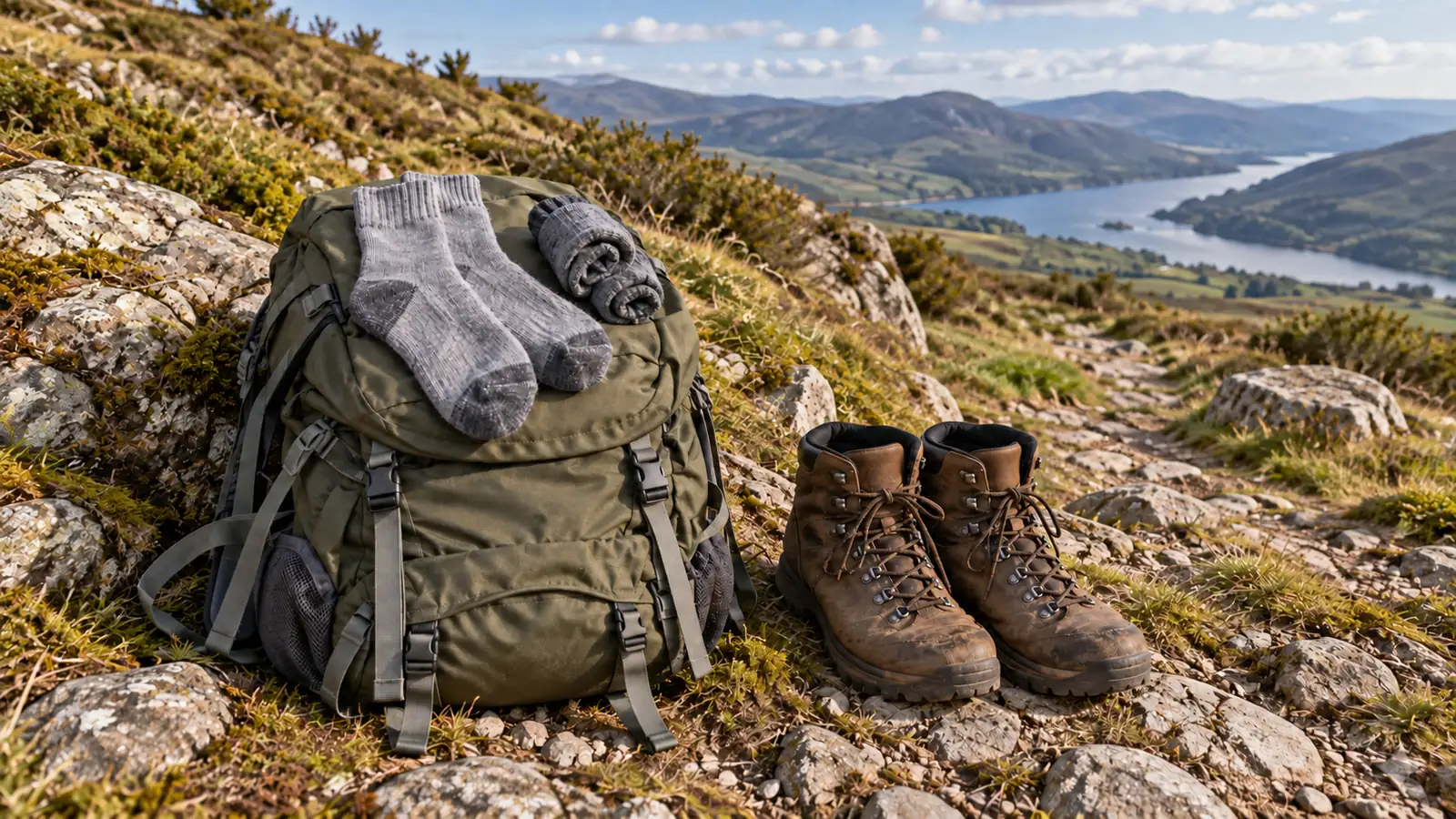
Choose the best socks for long distance walking with clinical evidence on hydrophobic synthetics vs. cotton, cushioning, toe socks, and compression.
 Foot Care
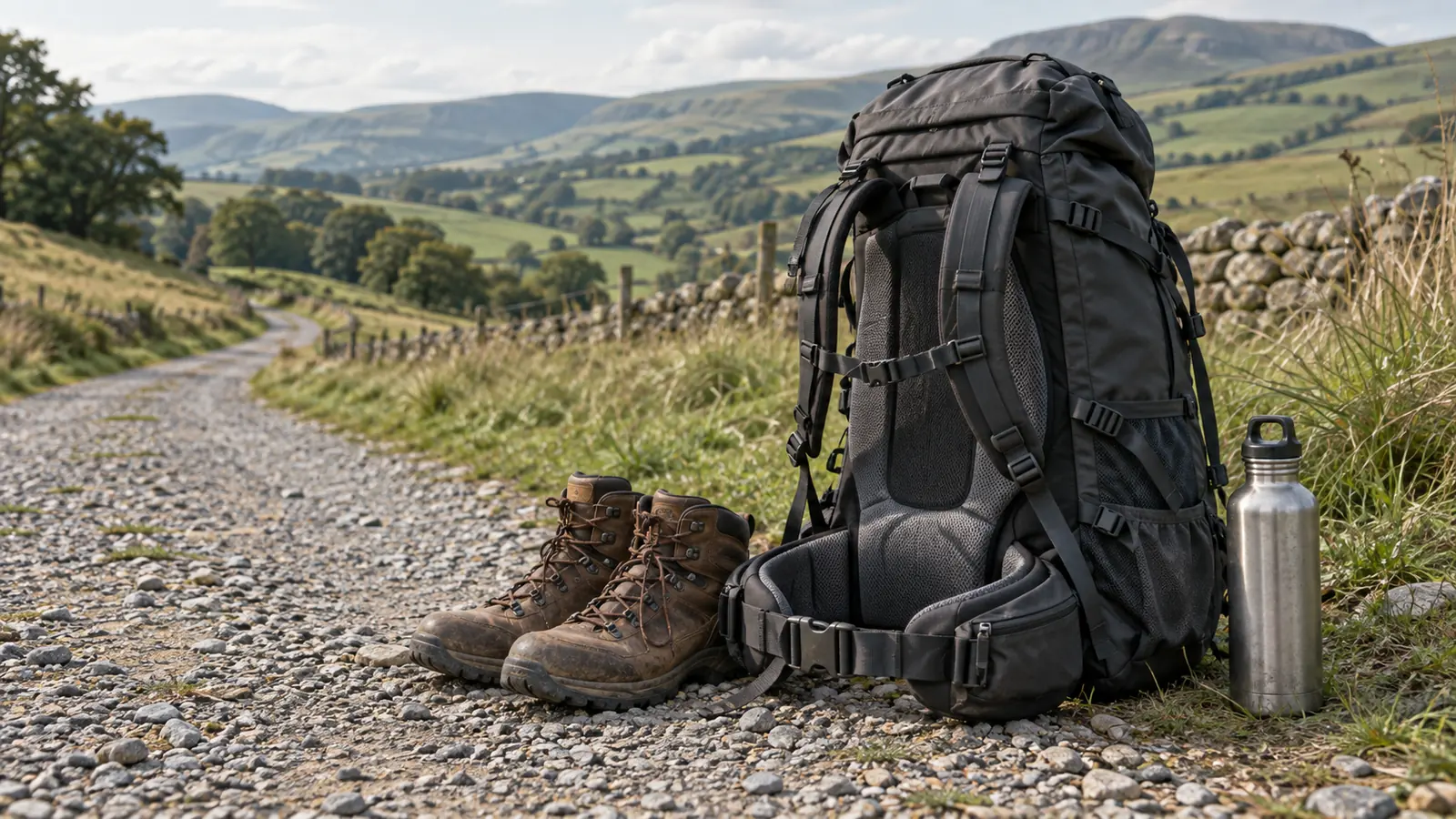
Build a progressive ruck march training plan with one loaded session every 10–14 days, 4.0 mph pace benchmarks, load-progression stages, and foot checks.