 Foot Care
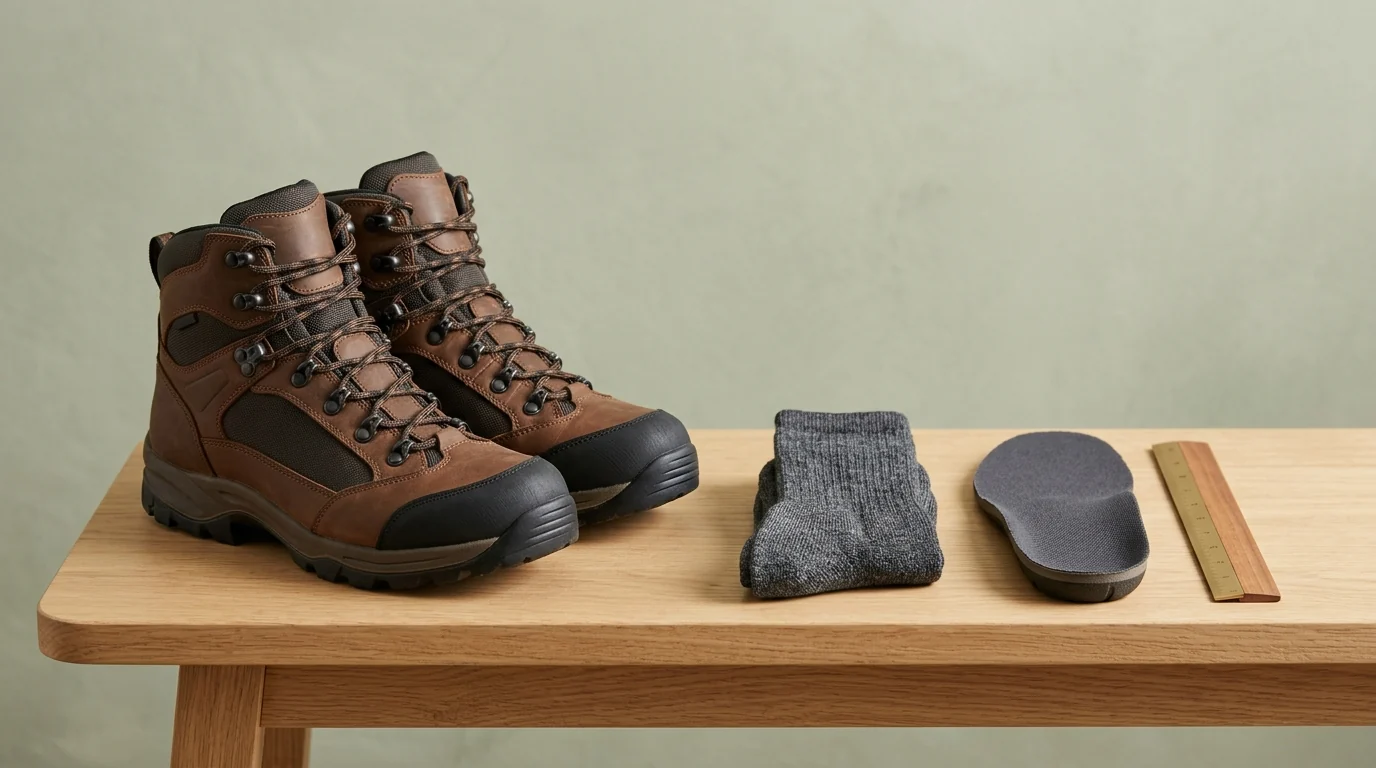
How Should Hiking Boots Fit: Toe Room & Heel Hold
Learn how hiking boots should fit from heel cup to toe box: 10 to 20 mm toe clearance, afternoon sizing with hiking socks, and stair heel-lock tests.
Articles and field notes filed under topic tag #foot-maintenance.
Foot CareLearn how hiking boots should fit from heel cup to toe box: 10 to 20 mm toe clearance, afternoon sizing with hiking socks, and stair heel-lock tests.
 Foot Care
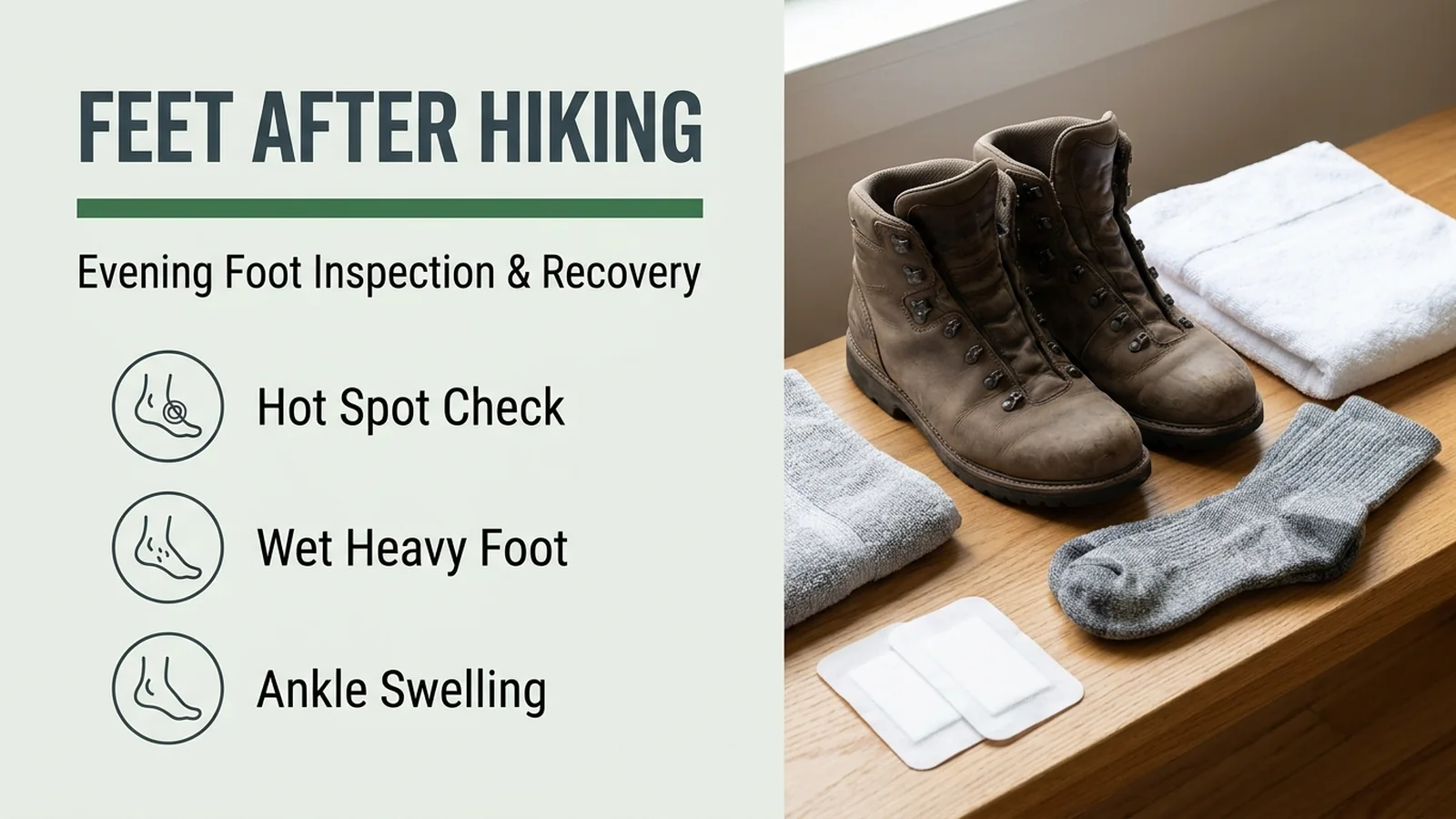
After hiking, inspect red hot spots, cover intact or burst blisters without popping, soak suspected trench foot 5 minutes in warm water, and wear wide shoes.
 Foot Care
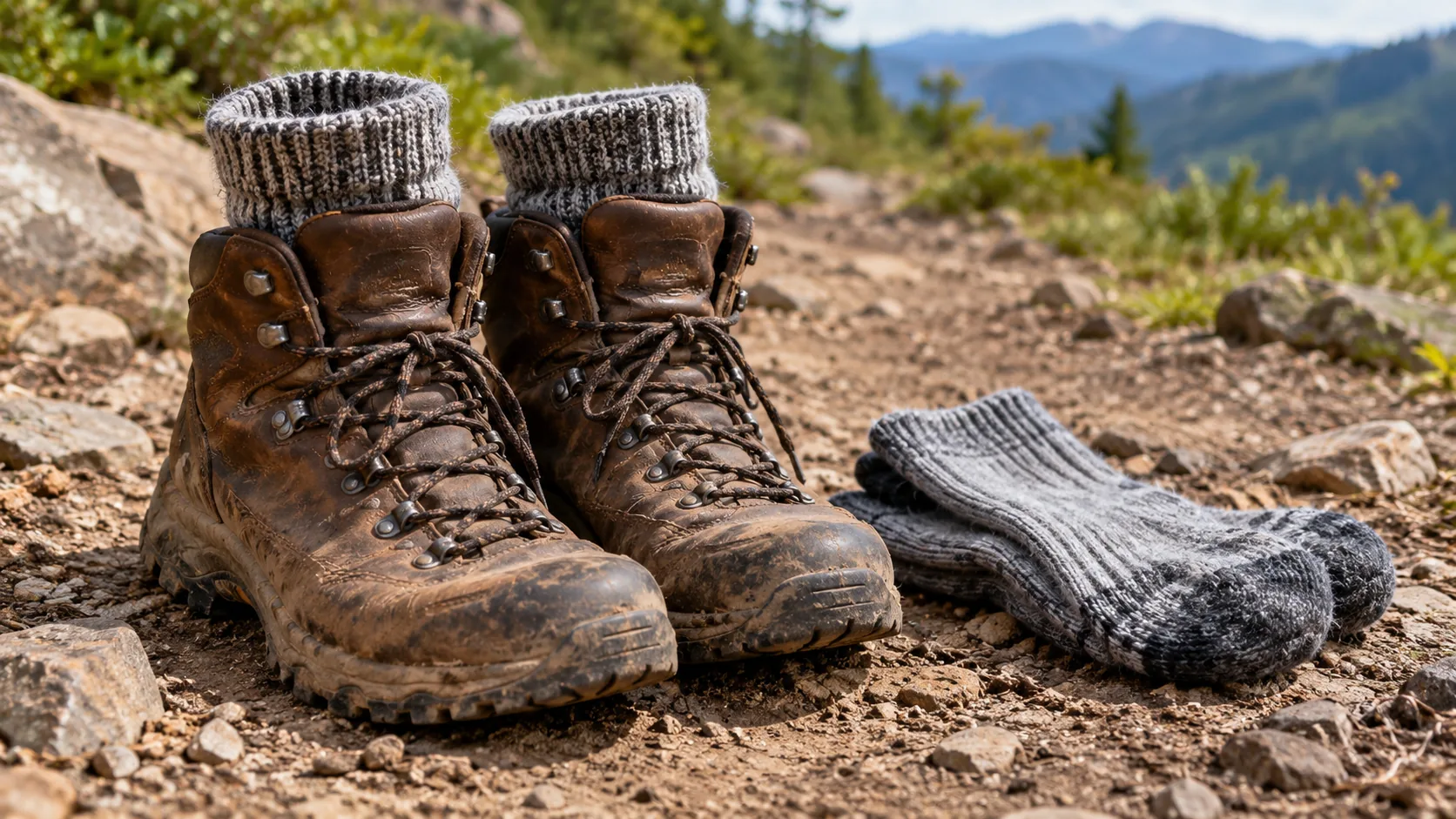
Break in boots (>20 h/wk), wear dense padded socks and neoprene insoles, and stop at skin redness; stay off the shoes that caused a blister until it heals.
 Foot Care
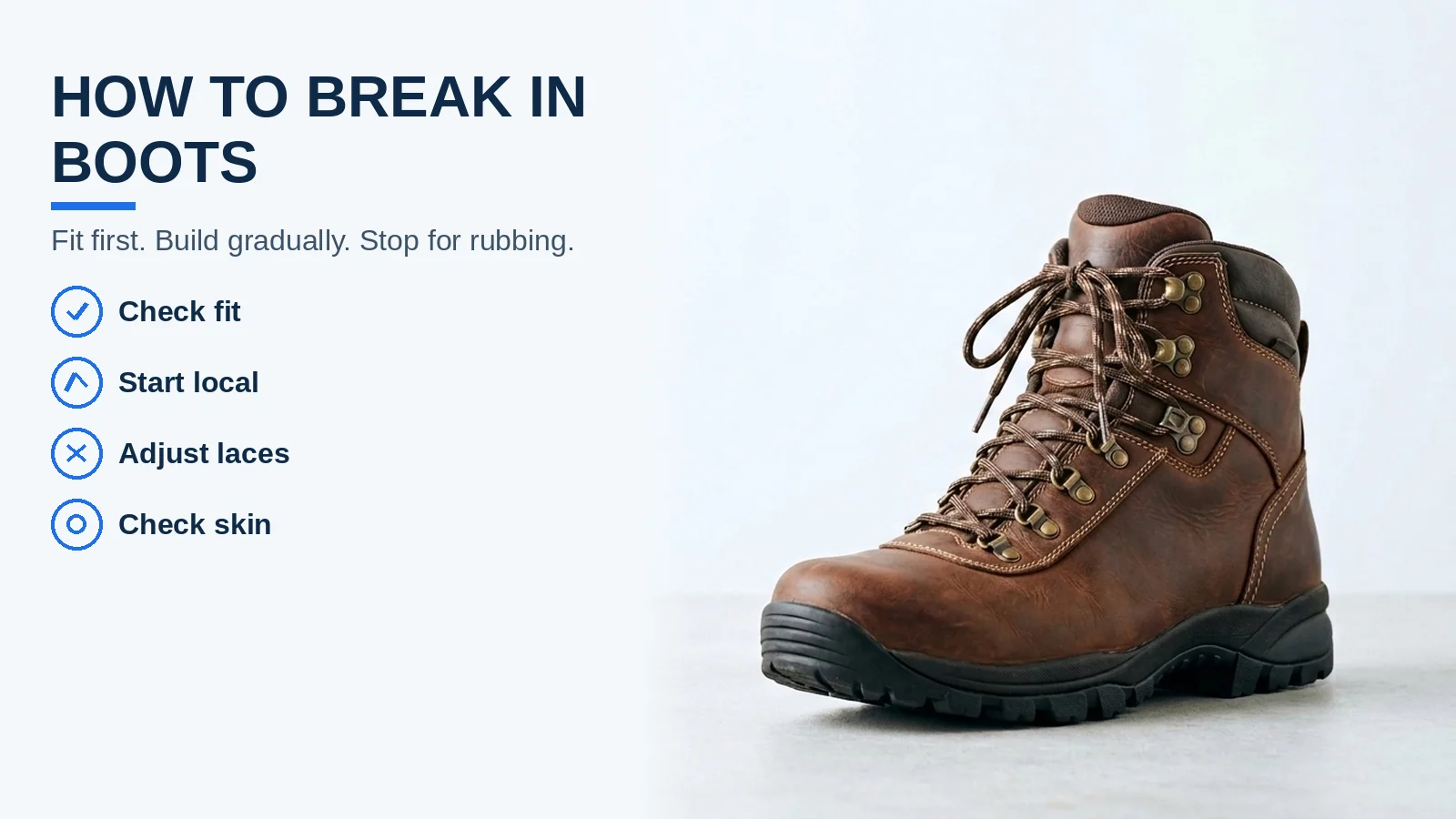
Break in hiking boots gradually with fit checks, local walks and zoned lacing. Learn when to advance, stop for a heel hotspot or get a boot fit checked again.
 Sports Hygiene
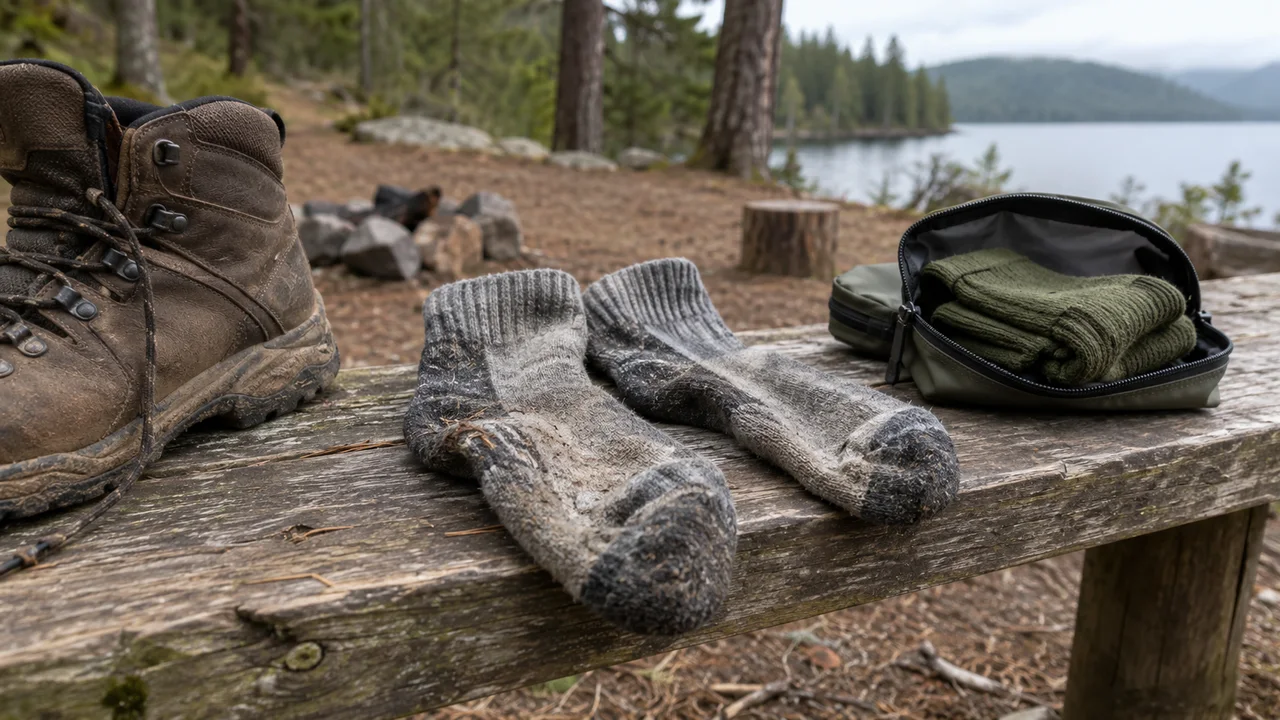
Can you wear the same hiking socks for two or three days? See bacterial and wet-sock blister data, camp washing rules, and a 3-pair sock rotation checklist.
 Sports Hygiene
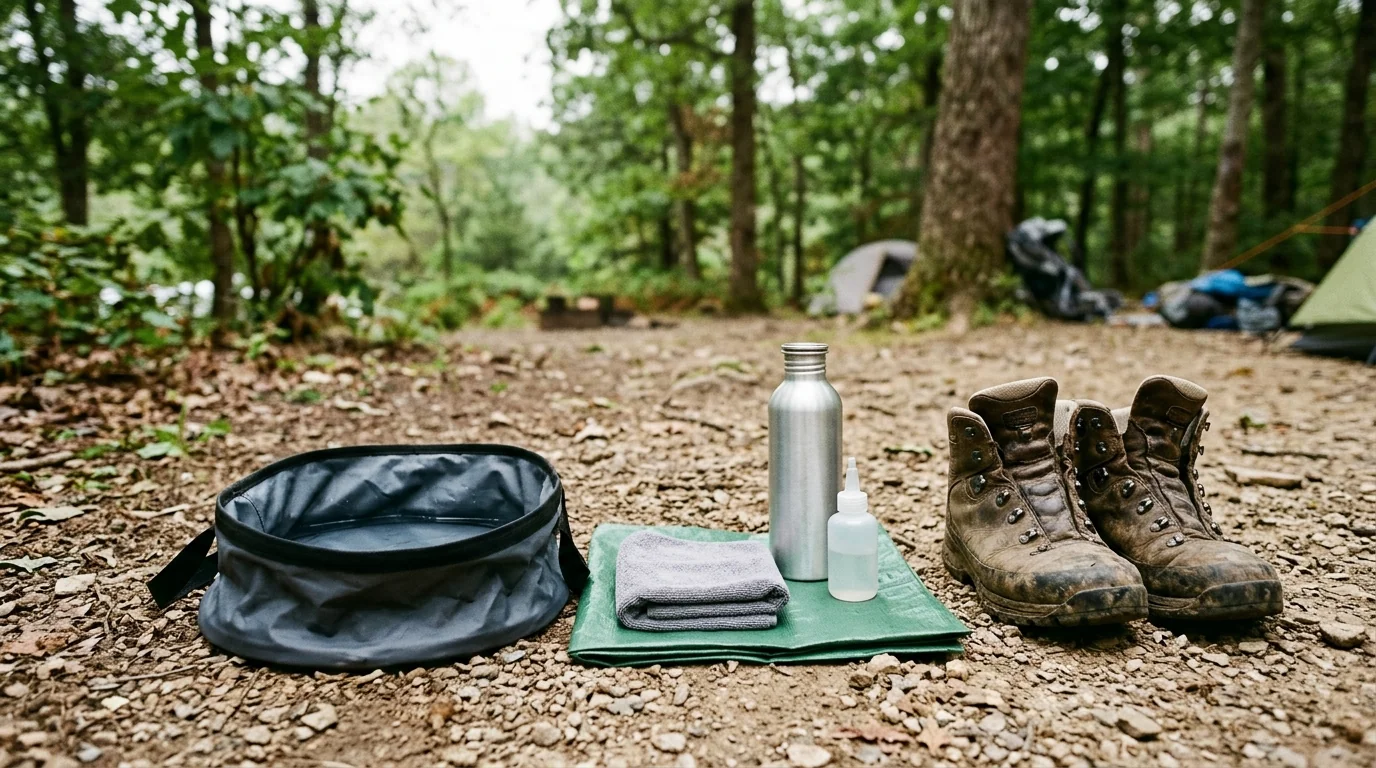
Wash feet at camp with a simple basin routine, careful toe drying and clean socks. Check the local rules before disposing of wash water.
 Foot Care
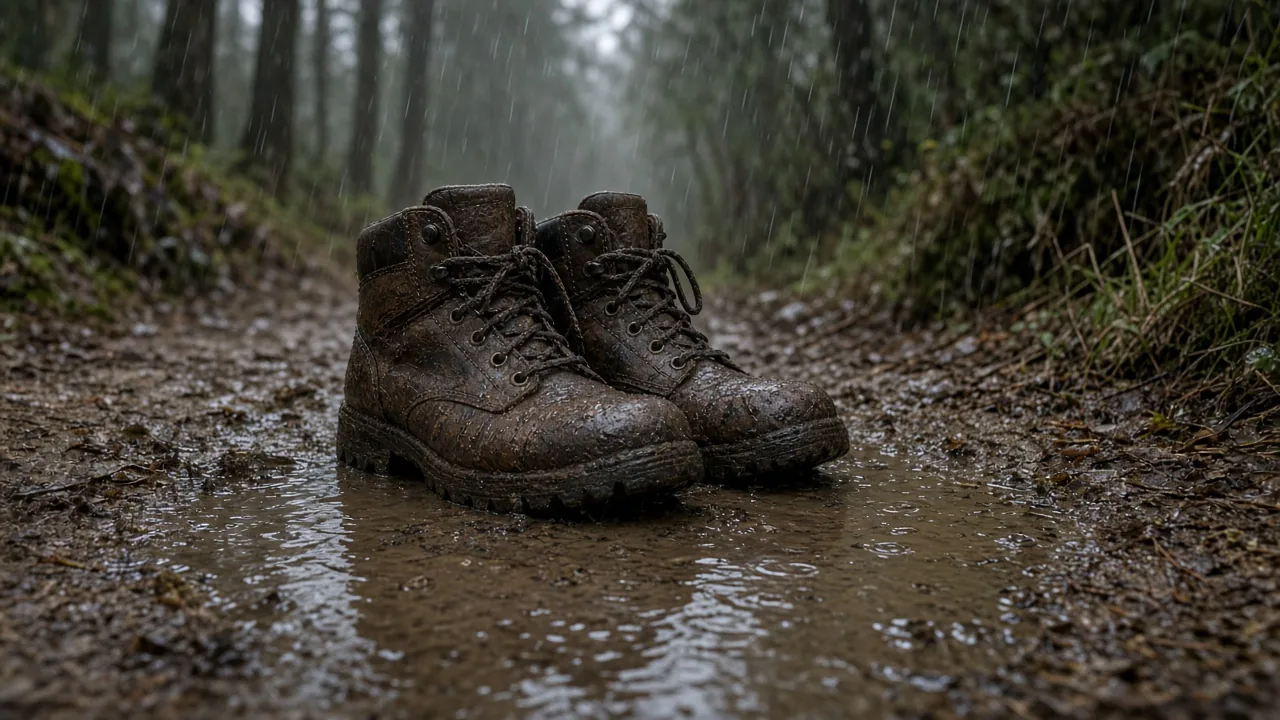
Check where rain entered a hiking boot, what rain pants and a dry sock can change, and when wet feet need medical help.
 Foot Care
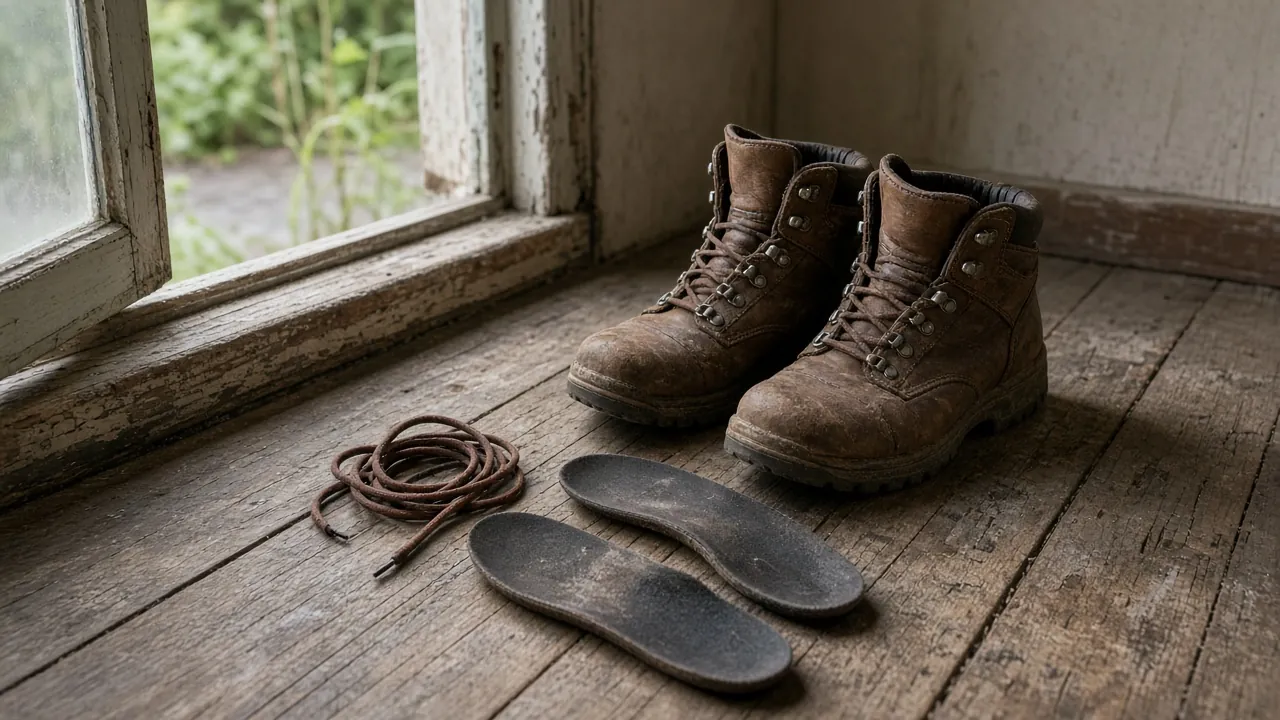
Match power, removable insoles, and airflow when drying hiking boots overnight, then check the feet if the boots are still damp.
 Foot Care
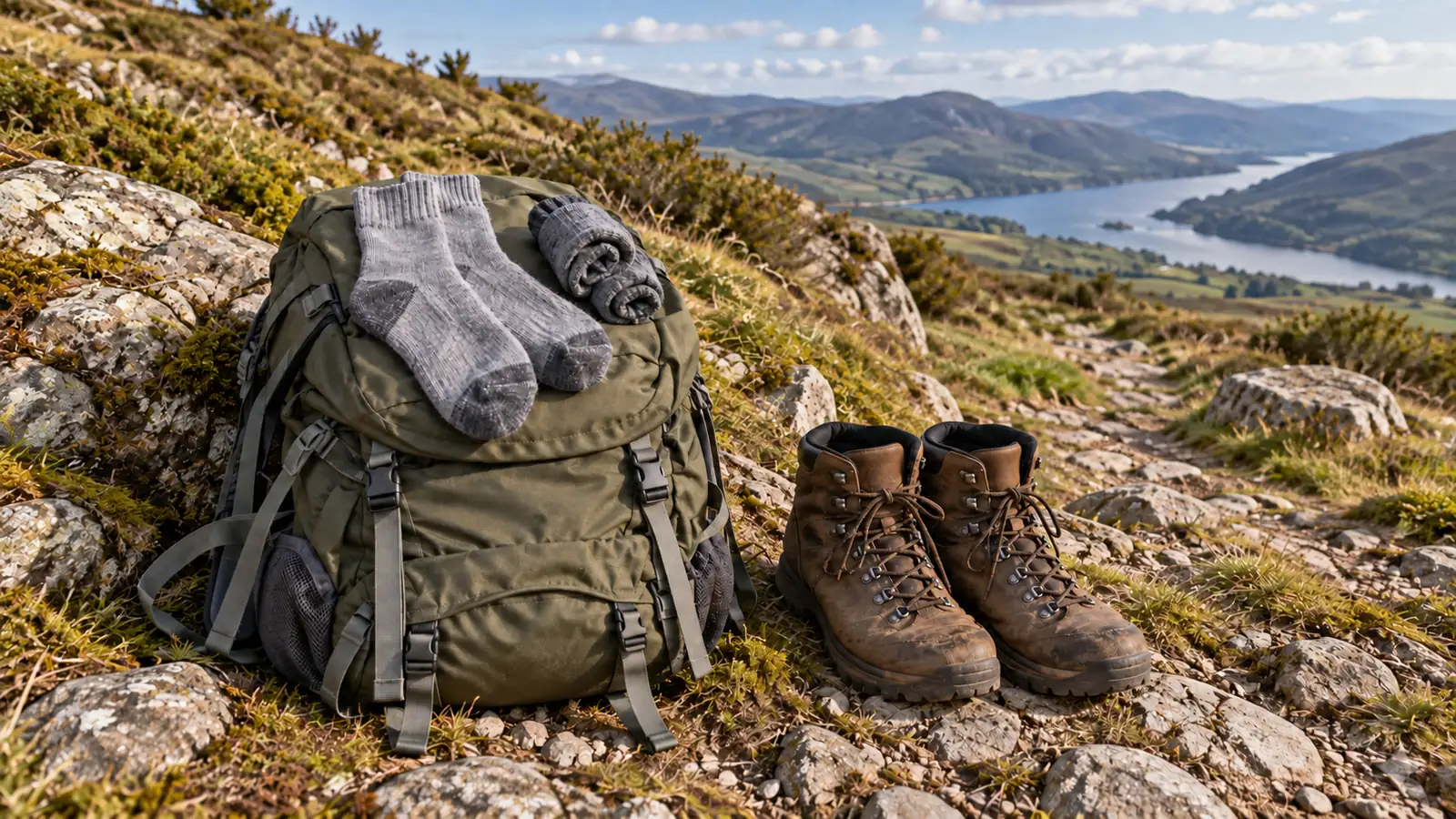
Choose the best socks for long distance walking with clinical evidence on hydrophobic synthetics vs. cotton, cushioning, toe socks, and compression.
 Foot Care
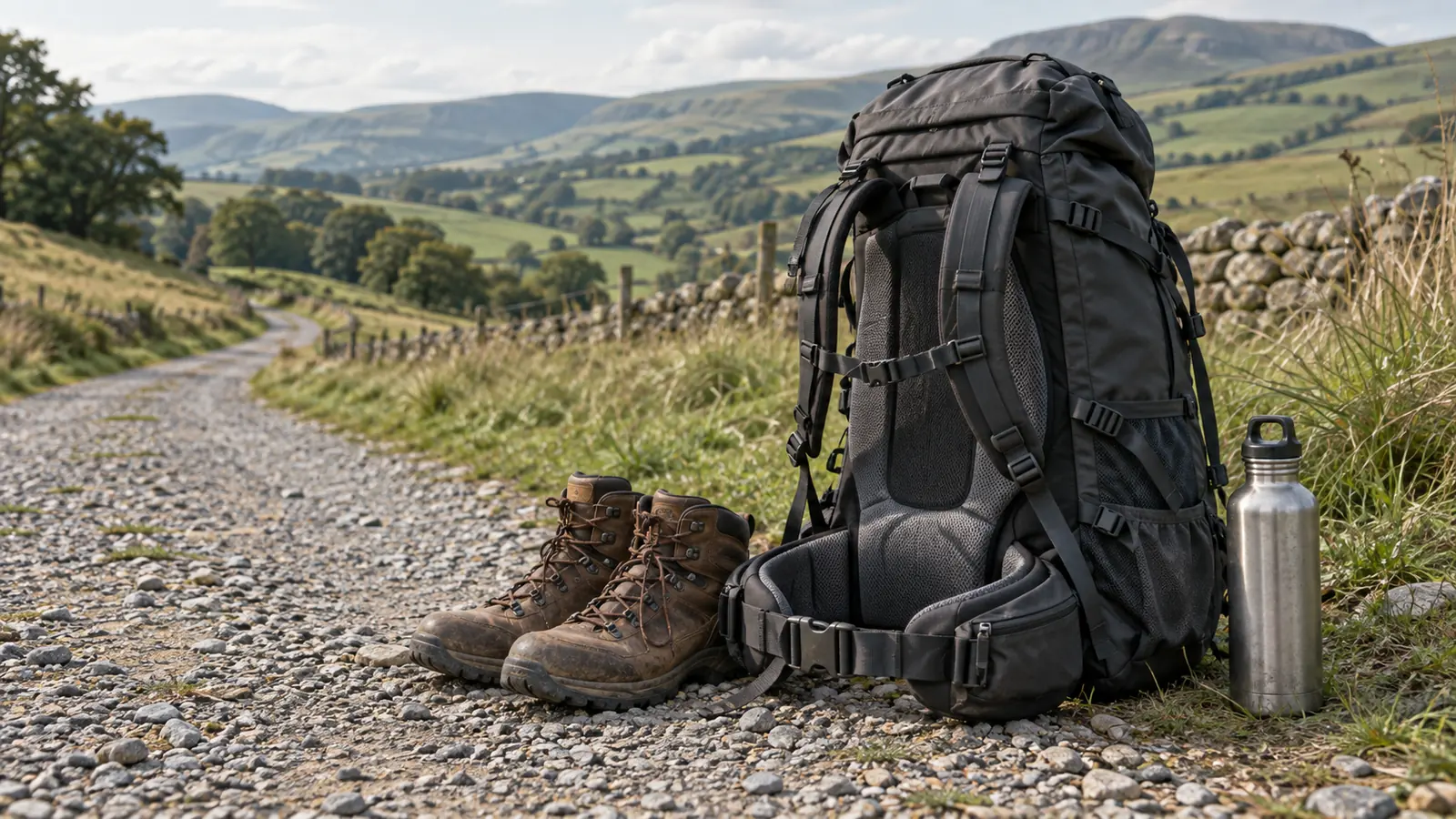
Build a progressive ruck march training plan with one loaded session every 10–14 days, 4.0 mph pace benchmarks, load-progression stages, and foot checks.