Chafing prevention products fall into three physical layers: moisture-wicking fabric liners, chemical friction barriers (sticks, salves, dimethicone gels, absorbent powders), and mechanical adhesive barriers (paper tape, moleskin, soft bandages).
Blisters can occur anywhere body parts rub together or rub against clothing, and preventing chafing helps prevent those blisters.
Stop activity immediately if you experience pain or discomfort, or if your skin turns red. For the wider collection, see our walking and foot-care guides.
What is the best material to prevent chafing?
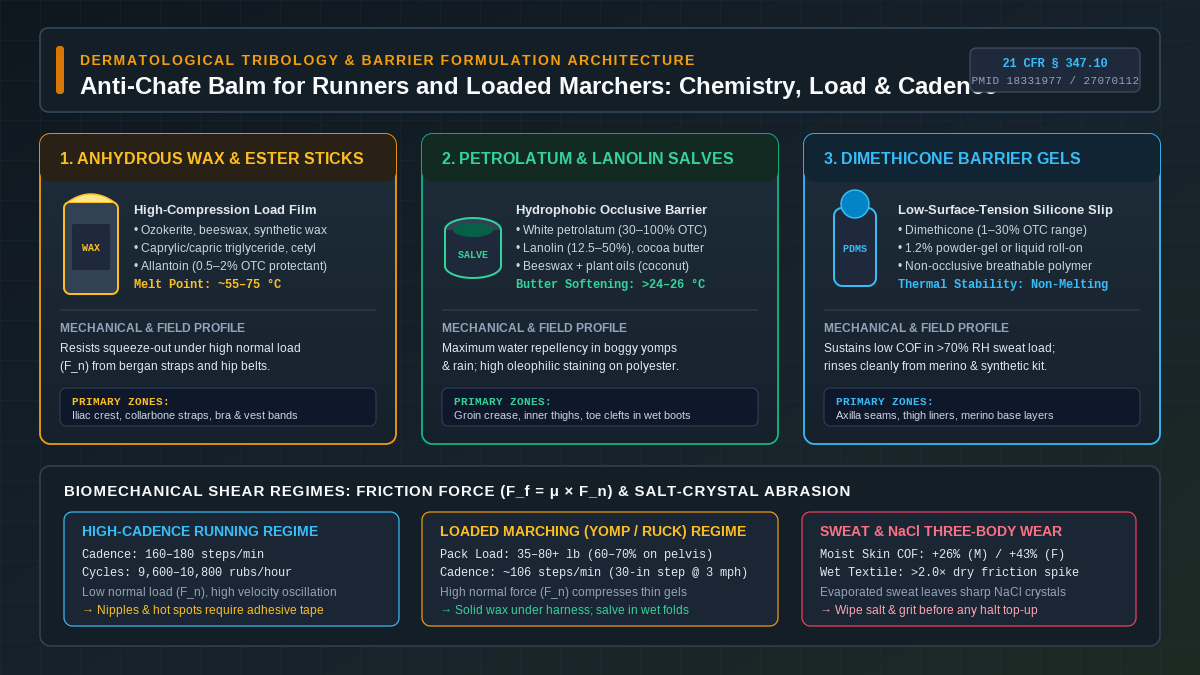
Start with fabric. Moisture amplifies skin-on-cloth friction. In a 2008 laboratory study of eleven males and eleven females rubbing the inner forearm against a hospital textile, coefficients of friction increased typically by 43% in women and 26% in men when skin hydration varied between very dry and normally moist skin, and coefficients of friction between skin and completely wet fabric were more than twofold higher than on a dry textile surface.
During physical activity, wear moisture-wicking, loose-fitting clothes and avoid cotton, because cotton soaks up sweat and moisture, which can lead to friction and chafing. For workout apparel, look for synthetic fabrics like nylon or polyester or garments labeled moisture-wicking, because these materials wick sweat away from skin and dry quickly.
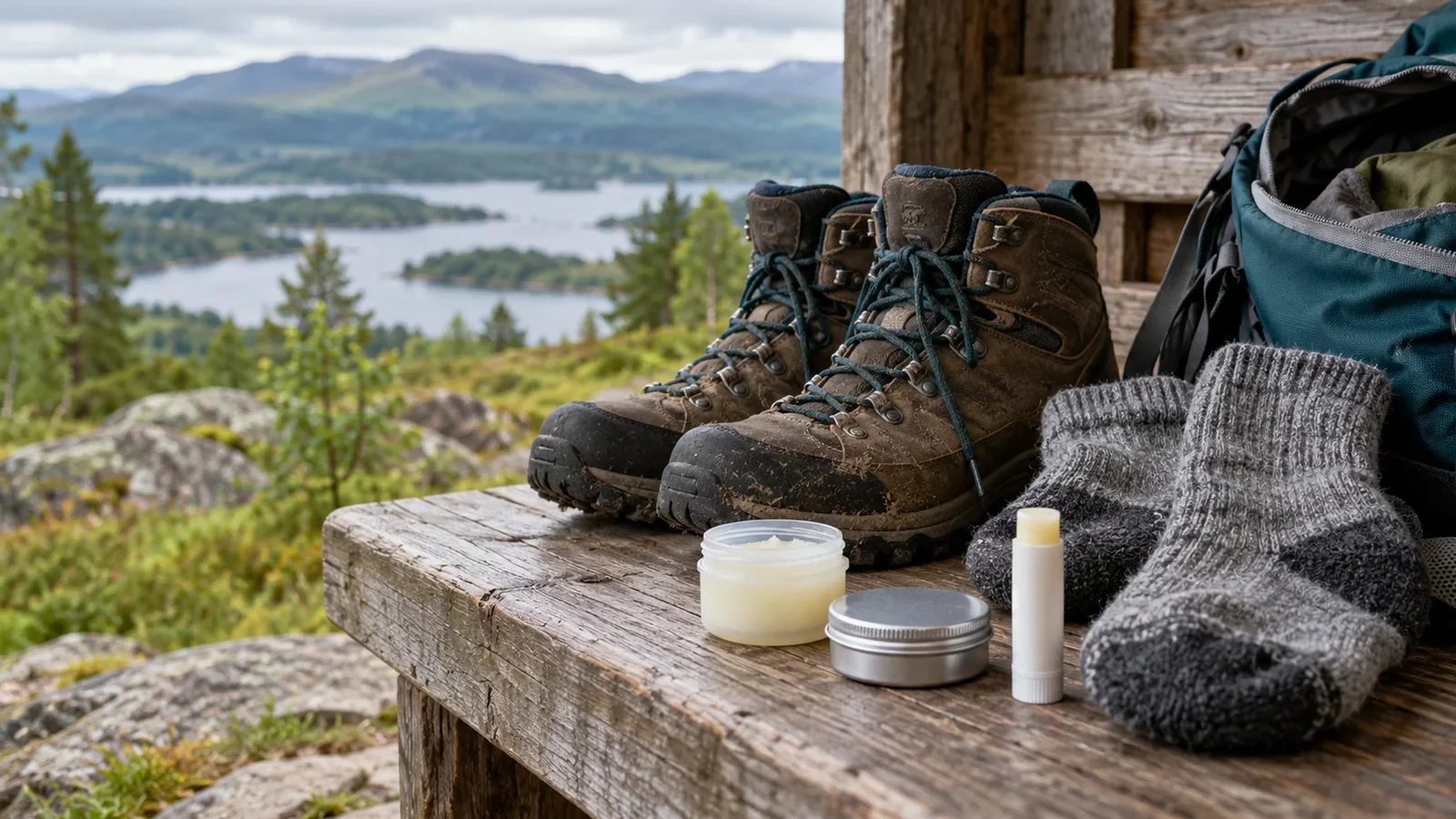
For feet, wear nylon or moisture-wicking socks; if one pair does not help, try two pairs. Before a march, wear clean, dry, proper-fitting socks (preferably cushion-soled) with seams and knots outside, and a nylon or polypropylene sock liner can reduce friction and add protection. Nylon socks worn inside wool socks, or a thin polyester sock worn inside thicker wool-polypropylene or cotton-wool socks, reduce foot blister incidence. Double-layer socks provide an inner layer that moves against the outer layer, reducing friction to the skin.
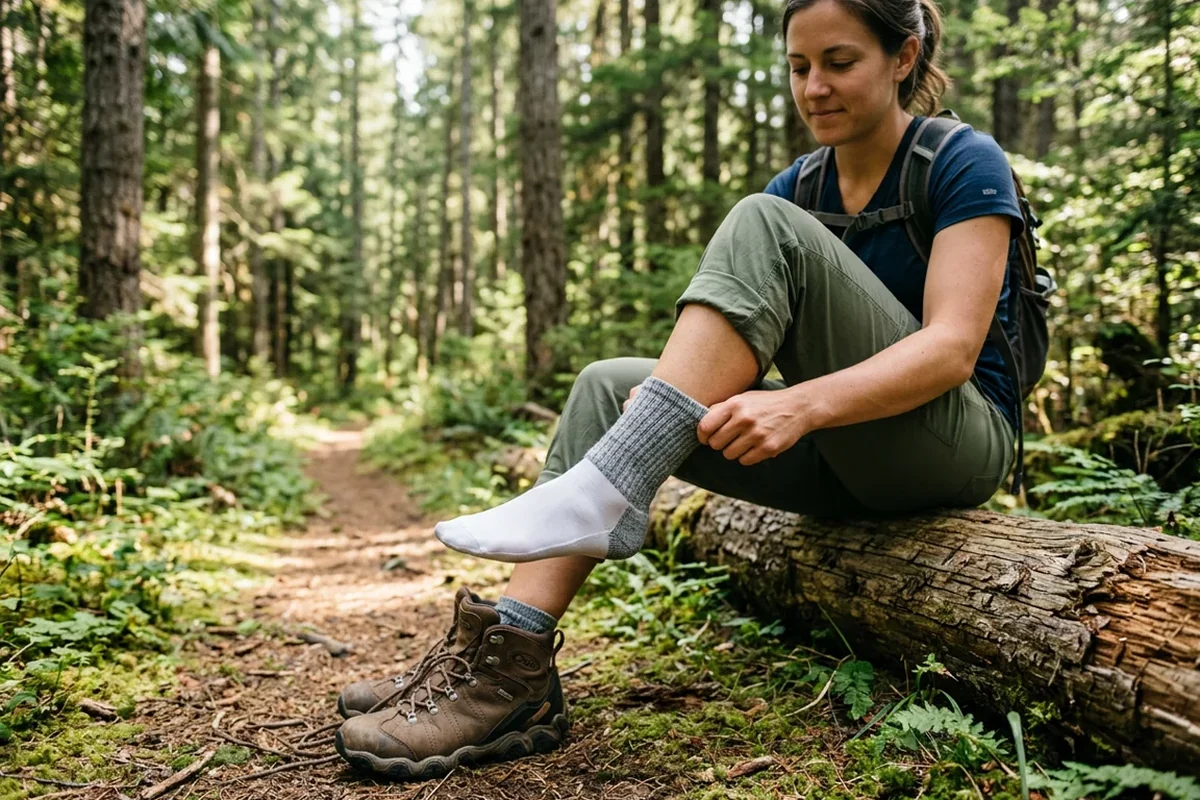
In a 1996 trial of 357 men undergoing US Marine recruit training at Parris Island, wearing a very thick, dense wool-polypropylene prototype outer sock over a thin polyester liner sock reduced overall foot blister incidence (40 vs. 69%). Foot blisters and cellulitis severe enough to require medical attention occurred in 24% of the standard military sock group compared with 11% in the dense wool-polypropylene plus polyester liner group.
In Camino hikers, walking in wet socks carried a 1.94 times greater risk of foot blisters. Change wet or damp socks as soon as possible. For skin folds such as the groin or underarms, moisture-wicking textiles help separate skin surfaces and wick trapped moisture. For more on foot-specific sock choices, see our long-distance walking socks guide.
Balms, gels, powders and adhesive barriers
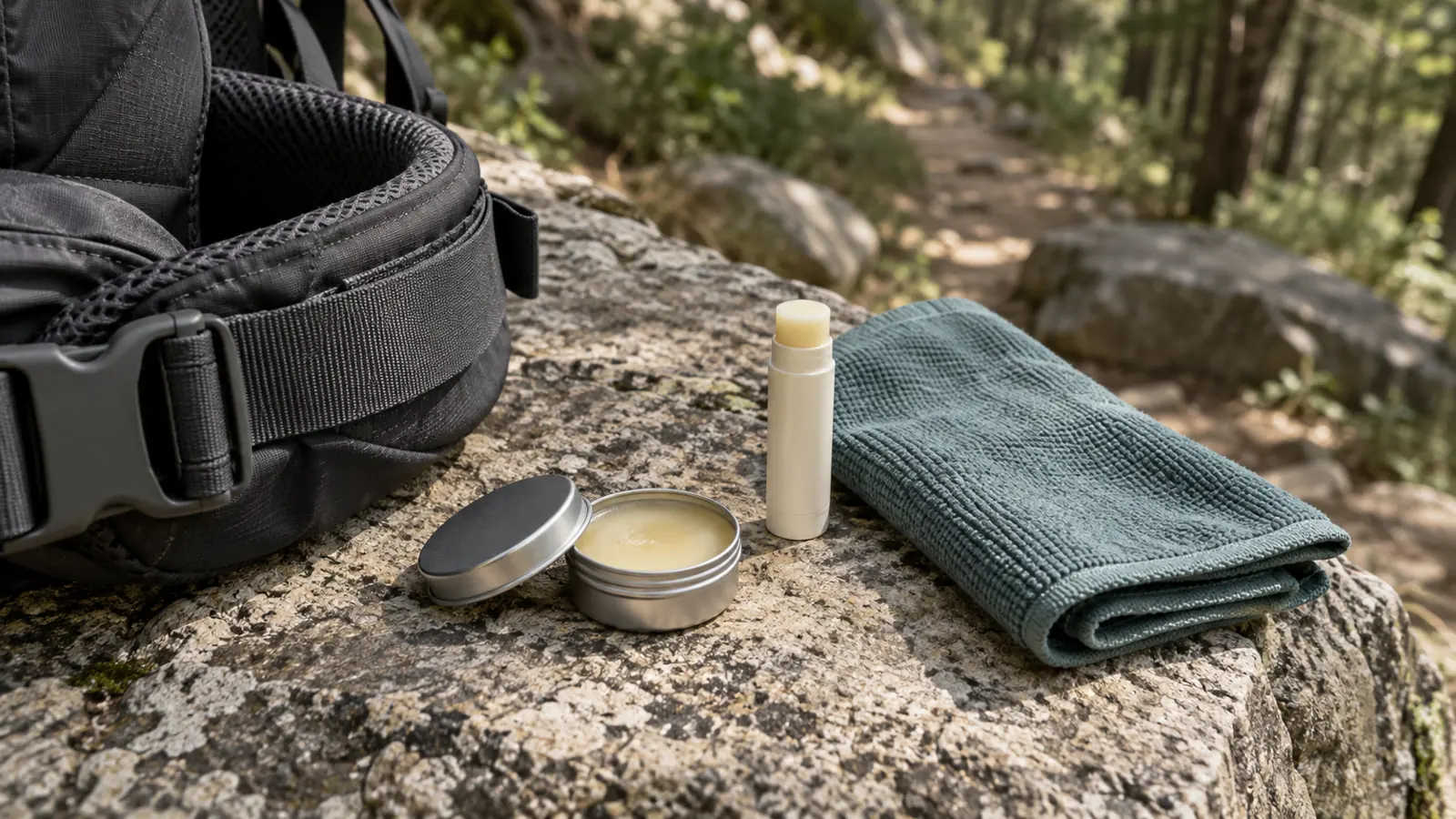
Applying powder or petroleum jelly to problem areas helps reduce friction when skin rubs together or against clothing. Applying petroleum jelly to problem areas such as the feet or thighs helps prevent chafing that can lead to blisters.
Under 21 CFR Part 347, a skin protectant drug product temporarily protects injured or exposed skin or mucous membrane surfaces from harmful or annoying stimuli, and may help provide relief to such surfaces. Qualifying over-the-counter skin protectant products may state that the product helps prevent and temporarily protects and helps relieve chafed, chapped, or cracked skin. Permitted active ingredient concentration ranges include petrolatum at 30 to 100 percent, dimethicone at 1 to 30 percent, topical starch at 10 to 98 percent, and kaolin at 4 to 20 percent. An OTC Monograph Drug (M016) chafing relief powder gel label lists Dimethicone 1.2% as the active skin protectant, with directions to apply as needed.
An anhydrous plant-wax anti-chafe stick directs applying directly from the stick to thighs, underarms, feet, waistband, chest, or shoulders or hips from heavy bags before activity or getting dressed, reapplying as needed especially in hot or humid conditions, using externally only on intact skin. Powder products containing kaolin or topical starch must warn not to use on broken skin, and standard skin protectant directions state apply as needed. Stop use and ask a doctor if the condition worsens or if symptoms last more than 7 days.
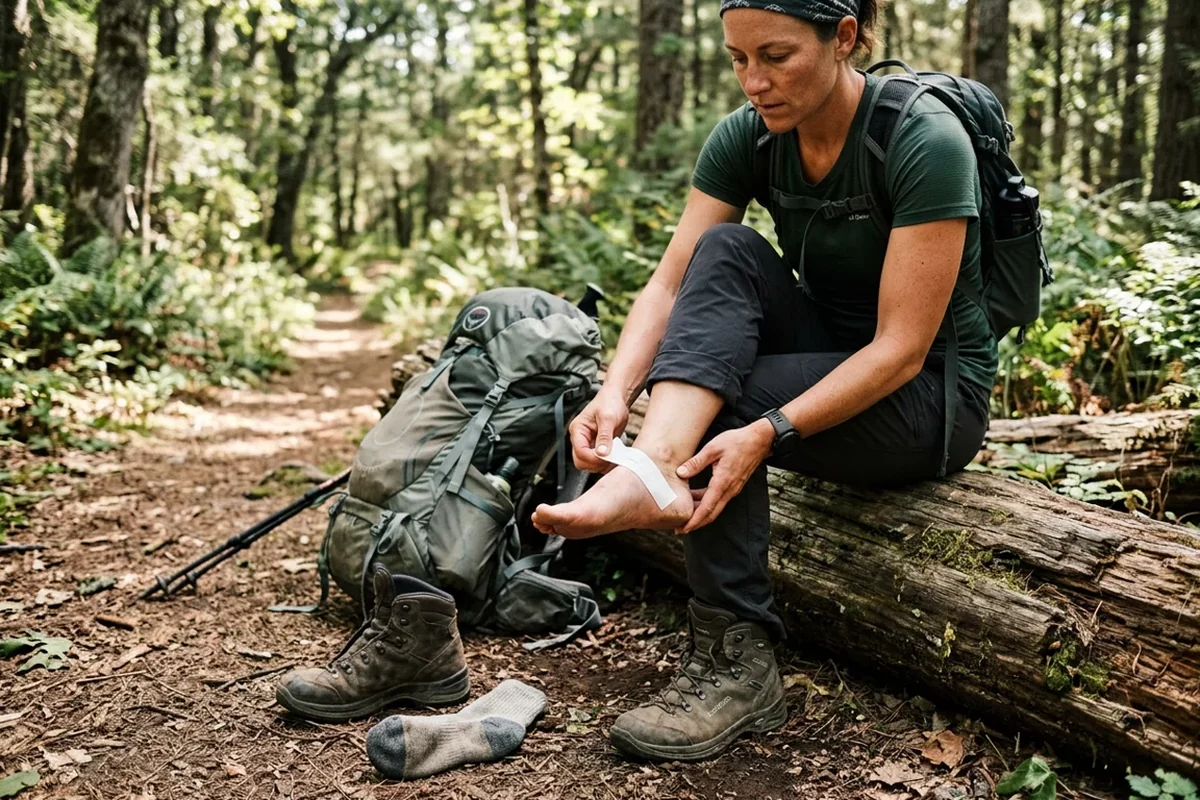
For problem areas such as the feet or thighs, consider securely applied adhesive moleskin or other soft bandages. A friction hot spot is a pre-blister stage with a localized warm or burning sensation and a local red, tender area; moleskin may be used to prevent blisters before movement. A 2017 systematic review screening 806 discrete articles and including 11 prospective controlled trials (5 sock, 3 antiperspirant, and 3 barrier strategies) found a paucity of high-quality evidence for socks, antiperspirants, or barriers, with moderate confidence that paper tape may be an effective barrier. In a 2016 multisite prospective randomized trial across 6-stage desert ultramarathons (155-mile distance; One hundred twenty-eight participants enrolled), paper tape reduced the occurrence of foot blisters.
Before applying tape, clean the feet of natural oils, dust, and dirt; if any lubricant has been used, wipe it off and clean with rubbing alcohol, then let the skin dry. Never stick tape onto balm-coated skin. After tape is applied, run a thin layer of lubricant or powder over the tape and around its edges so socks glide without snagging. After applying an adhesive bandage, dusting the outside of the bandage and the entire foot with just enough foot powder lessens friction and prevents raw edges from adhering to socks; excess foot powder can harden and become irritating.
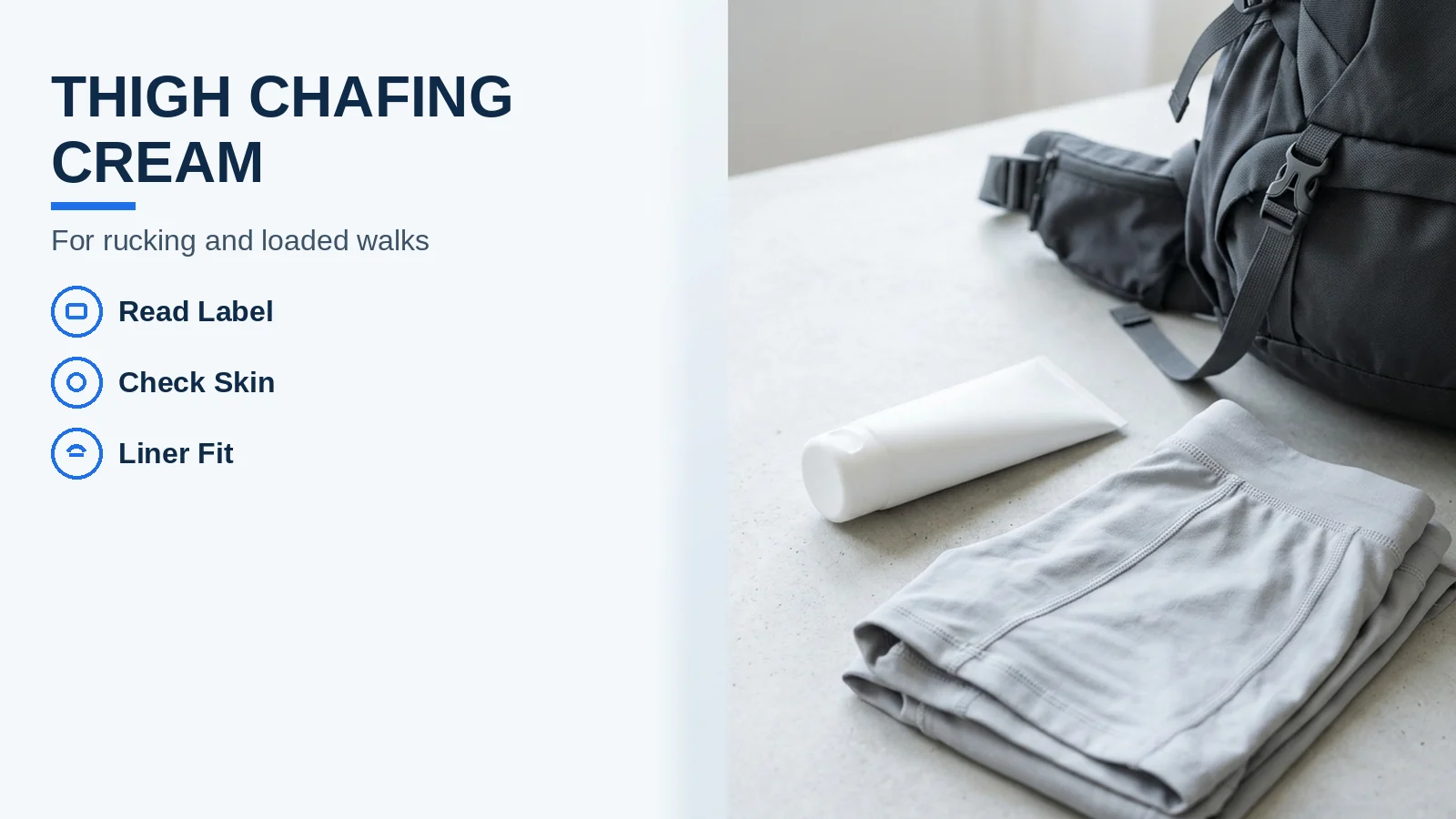
Evidence detail on paper tape belongs in our blister tape guide, and foot-specific shear, cotton moleskin moisture retention, and multi-day tape limits are compared in blister-prevention products. Label-led cream and gel checks for the inner thigh are covered in chafing cream for thighs when rucking. For balm versus petroleum jelly basics, see the anti-chafe balm guide.
Match products to body zone, sweat and pack load
Pack straps and hip belts move pressure around the torso. Shoulder straps exert pressure on the skin that is considerably lower when using a pack frame with a properly fitting hip belt than without one. When a pack frame and hip belt are used for loads between 31 pounds and 90 pounds, 30 percent of the load is supported on the hips and lower back and 70 percent of the load is on the shoulders. Tightening a mid-chest sternum strap shifts shoulder strap pressure medially while loosening shifts it laterally, and reducing shoulder strap tension places more load on the hips.
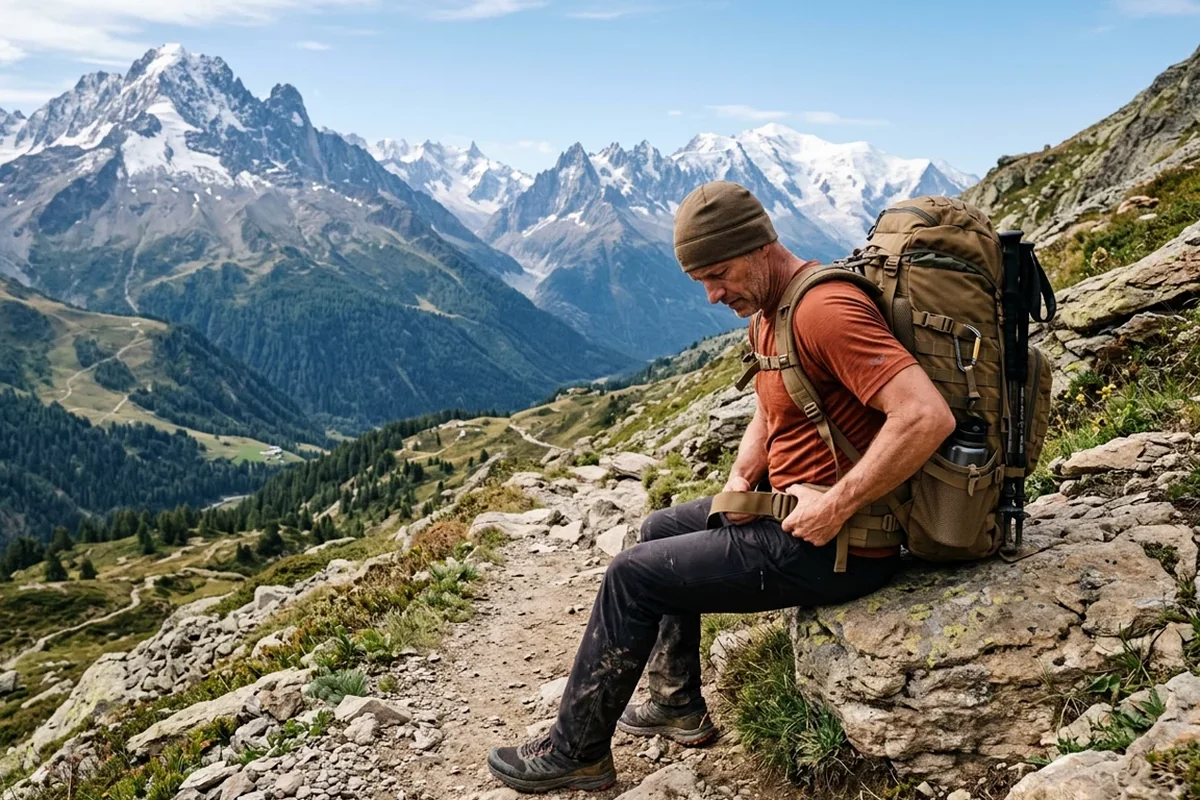
Heavy loads increase blister incidence by increasing pressure on the skin and foot movement inside the boot. During a prolonged foot march, halt briefly after the first mile to retie boots and adjust equipment.
Layer without causing the common failures
- Confirm skin is intact. Anti-chafe sticks: external use on intact skin only; kaolin or topical starch powders must warn not to use on broken skin.
- For focal hot spots that need tape or moleskin, remove any prior lubricant, clean oils and grit, and let the skin dry before adhesive goes on.
- Apply smooth adhesive moleskin, soft bandage, or paper tape to that clean, dry skin.
- Apply balm, petroleum jelly, dimethicone gel, or a light dusting of powder to untaped rubbing zones, and lightly finish tape edges so garments do not snag.
- Put on moisture-wicking non-cotton liner layers, then adjust pack hip belt and straps.
The trick with lubricants is to reapply them frequently after cleaning off the old layer; they can also over-soften skin, so switch toward powder.
If a blister has already formed, switch from prevention products to first-aid care: keep it clean by gently washing and patting dry, do not burst it yourself or peel the skin off a burst blister, and cover with a soft plaster or padded dressing. A hydrocolloid dressing can protect an existing blister, help reduce pain, and speed up healing. Most blisters heal on their own in one to two weeks if left alone; do not resume the activity that caused the blister until it is healed. Watch for redness, pus, or increased pain or swelling and see a doctor or board-certified dermatologist if those signs appear.
Questions about chafing prevention products
What should I look at for the best chafing prevention?
Begin with the rubbing zone and sweat load, then shortlist a moisture-wicking liner, a label-matched chemical barrier, and—only for focal hot spots—an adhesive barrier applied to clean, dry skin before any balm.
Should I try sock liners?
Yes when one pair of socks is not enough: nylon or polypropylene liners, or a thin polyester liner under a denser outer sock, reduce friction at the skin.
Is petroleum jelly an option for rubbing on the thighs?
Yes. Applying petroleum jelly to problem areas such as the feet or thighs helps prevent chafing that can lead to blisters.
What needs attention when applying an adhesive?
Apply tape or moleskin only to clean, dry, oil-free skin; never over balm. Finish edges with just enough powder or a thin lubricant film so socks do not snag.
Sources
- American Academy of Dermatology — How to prevent and treat blisters; ways to use petroleum jelly; workout skin guidance
- Electronic Code of Federal Regulations — Skin protectant drug products for over-the-counter human use
- DailyMed — OTC monograph chafing relief powder gel label (dimethicone skin protectant)
- Headquarters, Department of the Army — ATP Foot Marches, Appendix E Foot Care
- NHS — Blisters
- Derler and colleagues — epidermal hydration and skin–textile friction
- Knapik and colleagues — Marine recruit sock systems and blister incidence
- Worthing and colleagues — systematic review of outdoor friction-blister prevention
- Lipman and colleagues — paper tape in multistage desert ultramarathons
- Chicharro-Luna and colleagues — wet socks and blister risk on the Camino
- Romanelli and colleagues — intertrigo and moisture-wicking textiles in skin folds
- Specialist endurance foot-care guidance — taping preparation and double-layer sock mechanics
- Anhydrous plant-wax anti-chafe stick product directions (generic label reading)