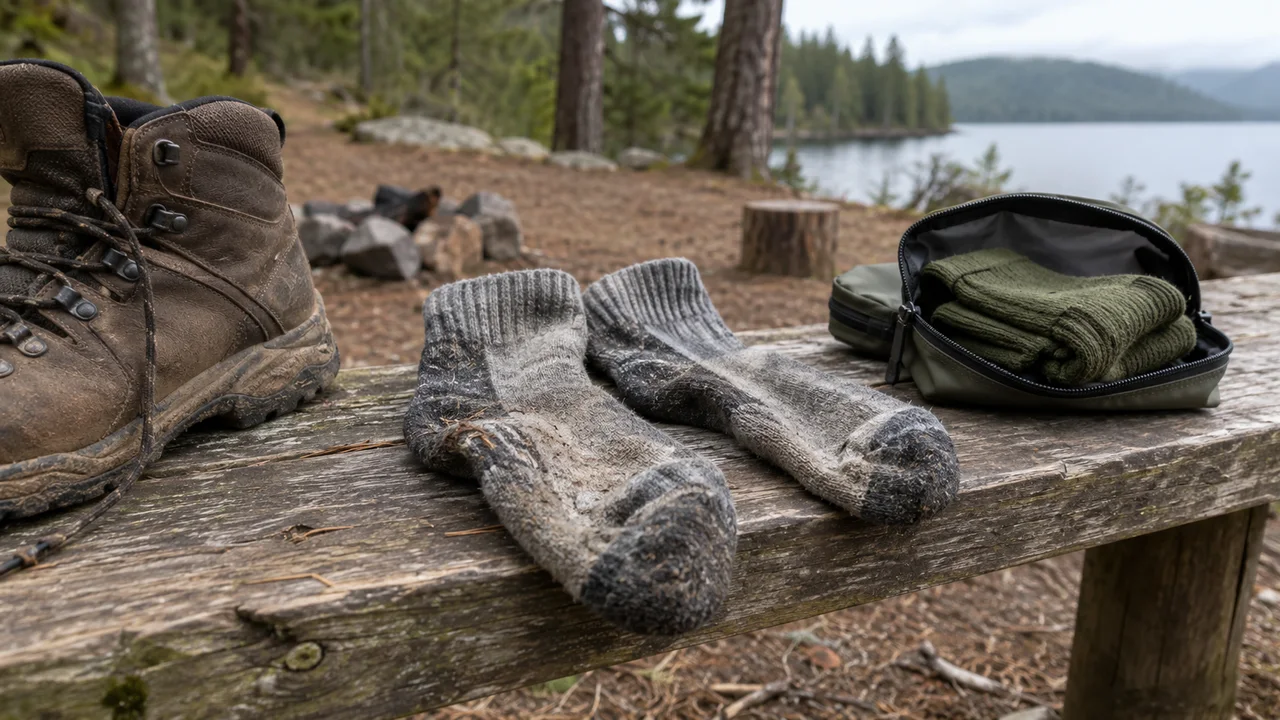
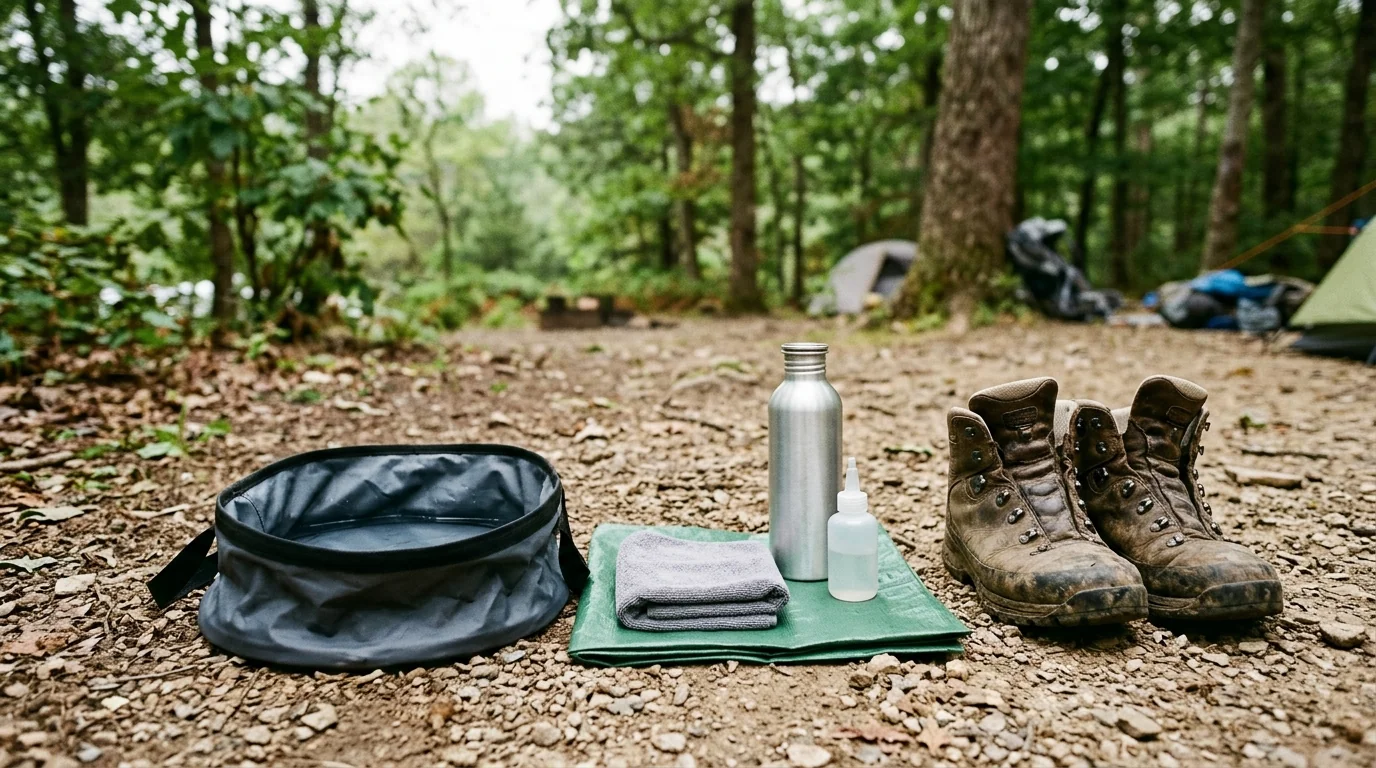
Rubbing alcohol gel over trail mud, sunscreen or food grease fails to remove visible grime and leaves soil on your fingers right when you reach into a food bag or check a blister. To wash hands when backpacking without a fixed tap, carry clean water at least 200 feet away from streams, lakes and campsites, wet your hands, lather with plain soap, scrub for at least 20 seconds, rinse under a poured or spigot stream, and dry with a clean towel.
When backpacking or hiking without running taps, the Centers for Disease Control and Prevention (CDC) recommends washing hands with plain soap and clean water whenever possible—and specifically when hands are visibly dirty or greasy after camping, handling food, or using the toilet—by scrubbing for at least 20 seconds and drying completely. Reserve alcohol-based hand sanitizer containing at least 60% alcohol for stops where soap and water are unavailable and hands are not visibly soiled. Under Olympic National Park’s wilderness sanitation guidance (updated 9 March 2017), all washing with soap and wastewater disposal must take place at least 200 feet from campsites, lakes, and streams.
When do you need soap and water instead of hand sanitizer?
CDC’s hand sanitizer fact sheet distinguishes clinical settings from outdoor and community settings. In hospitals, hands pick up microbes without heavy soil. Outdoors—such as when people go camping, fish, play sports, or handle food—hands often become visibly dirty or greasy, and hand sanitizers may not work well under those conditions.
Soap and water also remove a broader range of contaminants. According to the CDC, soap lather traps and washes away germs, dirt, and chemicals, and is more effective than alcohol sanitizers against certain organisms including Cryptosporidium, norovirus, and Clostridioides difficile.
| Hand condition or trail stop | Primary method (CDC & NHS guidance) | When soap and water are not available | Key limitation to check |
|---|---|---|---|
| Visibly dirty, muddy, or gritty hands (after pitching camp, handling boots, or trail scrambles) | Wash with plain soap and clean water; scrub at least 20 seconds. | Clear visible soil with clean water first; do not treat gel on caked dirt as equivalent to soap washing. | CDC notes hand sanitizers may not work well on heavily soiled hands. |
| Greasy hands (after cooking, eating oily trail food, or applying skin balm) | Wash with plain soap and clean water; scrub at least 20 seconds. | Plan water for a soap wash before and after greasy tasks. | Grease interferes with alcohol hand sanitizer; if you apply petroleum jelly from the anti-chafe balm guide, wash with soap afterwards. |
| After using the toilet or digging a cathole | Wash with plain soap and clean water whenever possible. | Use hand sanitizer with at least 60% alcohol only if soap and water are unavailable and hands are not visibly soiled. | Fecal pathogens such as Cryptosporidium and norovirus are removed more effectively by soap and water than by alcohol gel. |
| Before touching a burst blister or applying a foot dressing | Wash hands with soap and clean water (NHS blisters guidance; CDC wound-care timing). | Delay non-urgent dressing changes until you can clean your hands properly. | The NHS blisters guidance explicitly requires washing hands before touching a burst blister. |
| Before preparing food or eating (when hands look clean and dry) | Wash with plain soap and clean water whenever camp water allows. | Rub hand sanitizer with at least 60% alcohol over all hand and finger surfaces for around 20 seconds until dry. | Do not wipe or rinse sanitizer off before it dries (CDC hand sanitizer guidelines). |
| Quick trail wipe-down with baby wipes or wet wipes | Not recommended by CDC for removing germs from hands. | Use hand sanitizing wipes containing at least 60% alcohol if using a wipe for germ reduction. | CDC states baby wipes make hands look clean but do not reliably remove germs; never use surface disinfecting wipes on skin. |
How do you wash hands in camp without a running tap?
You do not need a plumbed sink to get running water, and you should avoid dipping dirty hands into a stagnant bowl. CDC’s hand hygiene FAQ warns that placing hands in water that looks dirty or has germs from previous use—such as a basin already used for bathing—can put germs back onto your hands.
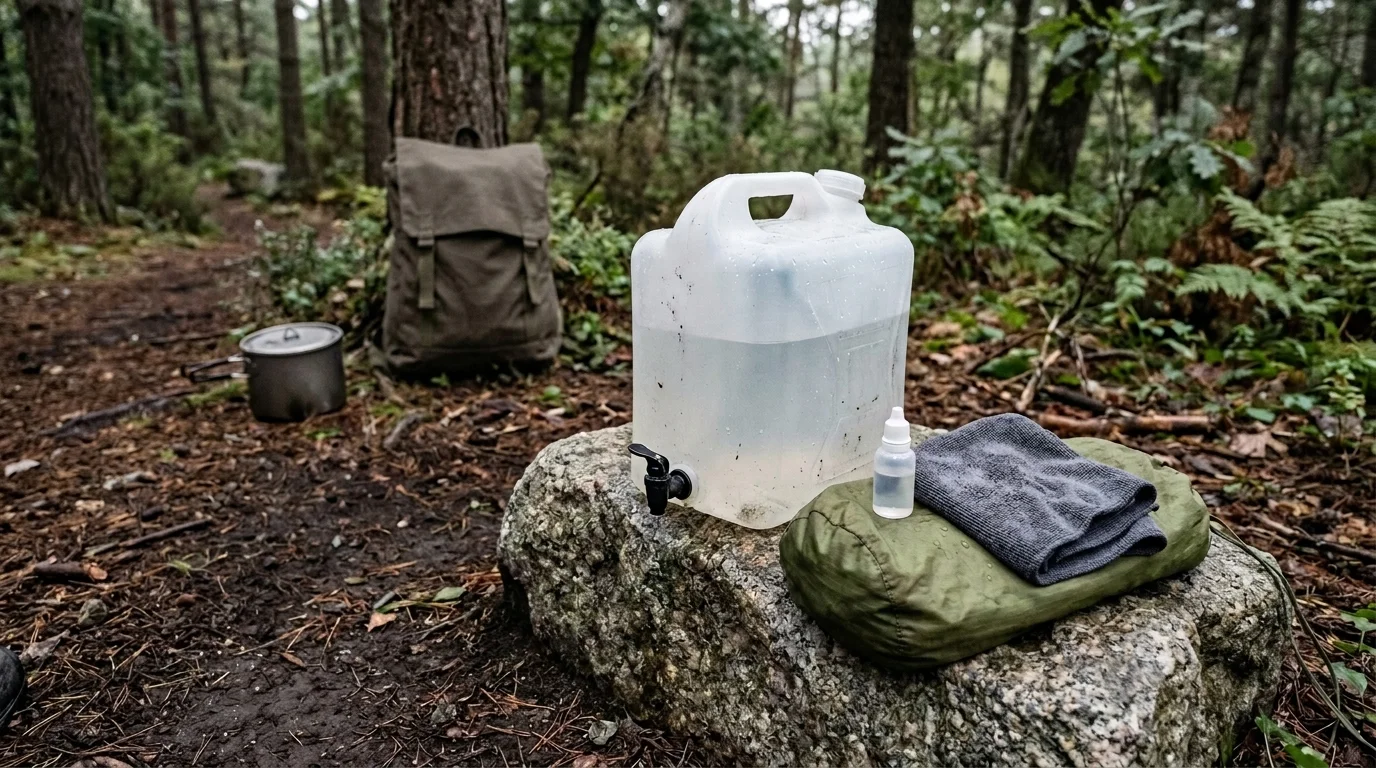
Instead, create a simple gravity stream at least 200 feet away from natural water sources and camp: set a collapsible water container with a spigot on a rock, hang a hydration bladder from a branch, or have a partner pour a thin trickle from a dedicated clean water bottle.
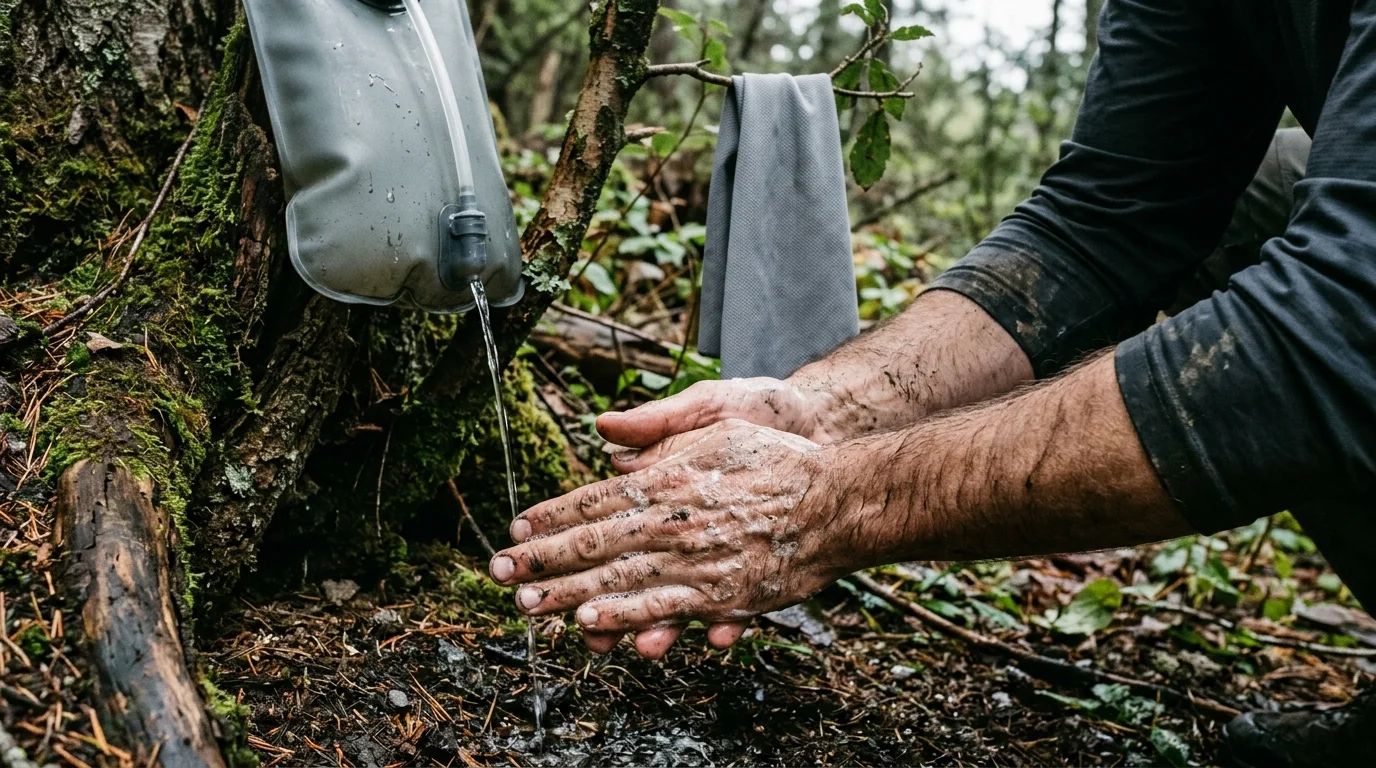
Follow CDC’s five handwashing steps, adapted to conserve carried water:
- Wet your hands with clean running water, then stop the flow. Let a brief trickle wet both hands, then shut the spigot or set the bottle down. CDC recommends turning off the tap after wetting to reduce water use, and notes that wetting hands before applying soap produces a better lather than putting soap on dry skin. Cold or warm water removes the same number of germs.
- Apply plain soap and lather thoroughly. Either bar or liquid plain soap works well; CDC notes that over-the-counter antibacterial soap offers no added health benefit over plain soap in community settings. Rub hands together to spread lather across the backs of your hands, between your fingers, and under your fingernails.
- Scrub for at least 20 seconds. Keep the water off while you scrub. Lathering and scrubbing for 20 seconds forms micelles that trap and lift dirt, grease, and microbes from skin creases and nail beds.
- Open the trickle and rinse well. Let clean water flow over both hands so the soap suds and trapped soil wash off onto the ground at your designated wash spot, rather than pooling on your wrists.
- Dry completely with a clean towel or air dry. Germs transfer more easily to and from wet hands. Use a clean, dry hand towel—or shake off excess water and let your hands air dry—before touching food bags, stove valves, or dressings.
If you shut a spigot with soapy fingers during step 1, rinse the toggle or pour a splash over it before your final hand rinse, or use your knuckle or elbow to close it so clean hands do not pick up grime from the valve.
How should you order foot care, toilet stops, and camp cooking?
On a multi-day walk, the same hands unlace muddy boots, wash feet, check blisters, dig catholes, and cook dinner. Without a clear order, foot and boot grime ends up in the cook pot, or trail dirt reaches broken skin on a foot.
CDC’s handwashing overview lists key times to wash hands: after using the toilet, after touching garbage, before and after treating a cut or wound, and before, during, and after preparing food. On the foot-care side, the NHS blisters page instructs you to wash your hands before touching a burst blister, keep the blister clean, gently wash the skin and pat it dry, and cover it with a soft plaster or padded dressing.
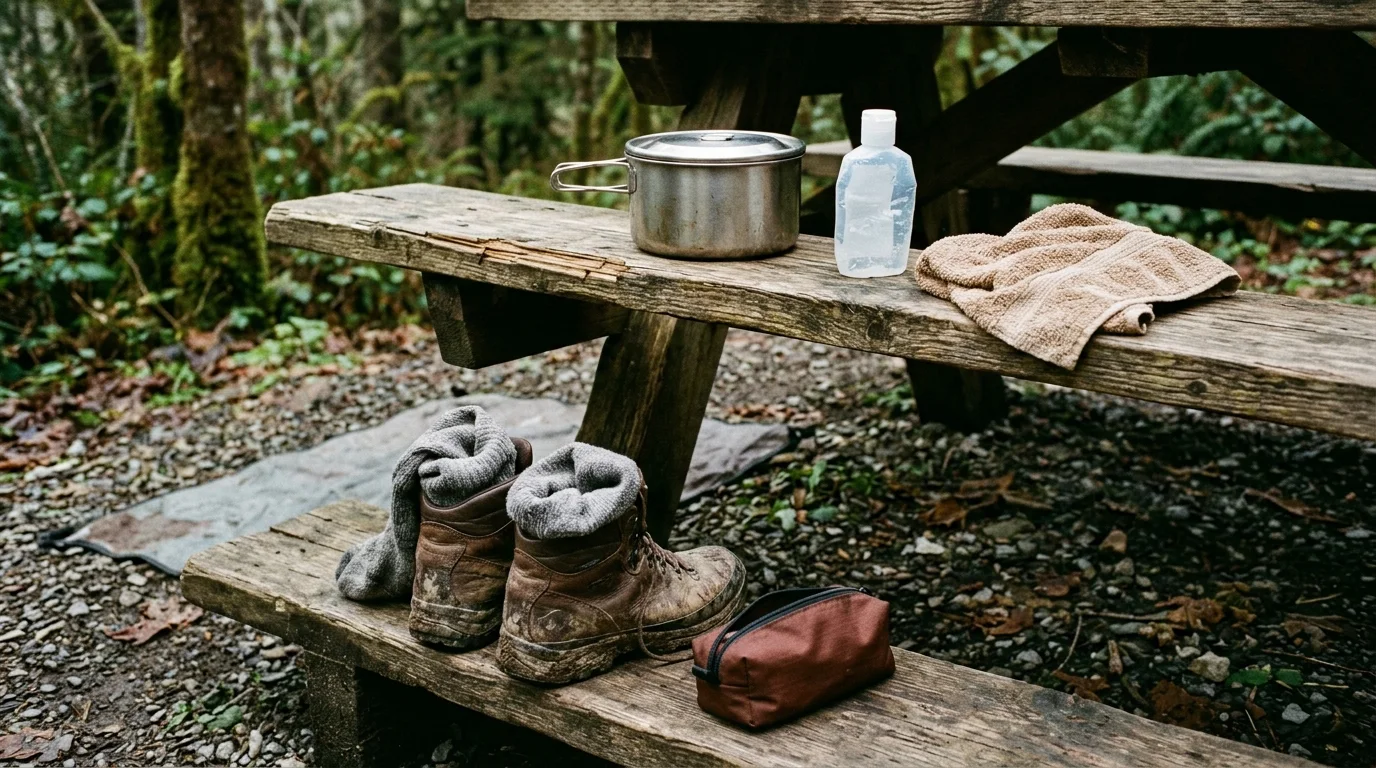
Use this camp sequence to keep foot care and food preparation separate:
- Unlace boots and handle dirty socks first. Set muddy footwear and used socks aside in their own queue. If you are washing socks in a dry bag, follow the multi-day hiking sock wash and rotation guide and keep that wash water separate from your handwashing supply.
- Complete your foot wash in its own basin. As covered in our camp foot-washing guide, use a dedicated foot towel to dab between the toes. Never reuse that foot basin water or foot towel to wash or dry your hands.
- Wash hands with soap and clean water before touching a burst blister. If a blister has burst, wash and dry your hands first, let the fluid drain, and apply a clean soft plaster or padded dressing from your hiking foot-care kit. Do not burst a blister yourself.
- Wash hands again after finishing foot care and packing trash. Once used plasters, wipes, and worn socks are sealed away, perform a full 20-second soap-and-water handwash before touching stoves, utensils, water bottle threads, or food.
Where does soapy wash water go in the backcountry?
Carrying ”biodegradable” camp soap does not allow you to wash hands in a creek or beside a lake. Olympic National Park’s wilderness sanitation rules (last updated 9 March 2017) state that even biodegradable soap breaks down slowly or not at all in cold water, and instruct visitors never to put any kind of soap into streams or lakes.
Both the Olympic wilderness page and the National Park Service camping hygiene guide (updated 17 March 2017) set a 200-foot minimum distance: wash your body, dishes, or clothes—and dispose of all soapy water—at least 200 feet away from any lake, stream, or campsite, using a minimal amount of soap. Because regulations vary by land manager and terrain, always check local rules at your destination and use designated washing sinks where a serviced campground provides them.
| Stage of the routine | What to check before acting | Backcountry rule & source |
|---|---|---|
| 1. Water collection | Fill a collapsible camp container or dedicated wash bottle so you do not wash at the shoreline. | Olympic National Park advises carrying a collapsible container to collect water in camp and minimize shoreline trips. |
| 2. Wash-spot distance | Walk at least 200 feet away from lakes, streams, springs, and campsites before applying soap. | Olympic National Park and NPS camping hygiene guidance specify a 200-foot minimum setback for washing with soap. |
| 3. Soap selection & amount | Use a minimal amount of plain bar or liquid soap; keep all soap out of natural water bodies. | CDC recommends plain soap; Olympic National Park notes biodegradable soap breaks down slowly or not at all in cold water. |
| 4. Scrub & rinse operation | Wet with clean water, shut flow off, scrub 20 seconds (palms, backs, between fingers, under nails), then rinse onto soil at least 200 feet from water. | CDC 5-step handwashing procedure combined with Olympic National Park’s 200-foot soapy-water disposal rule. |
| 5. Drying & towel storage | Dry completely with a clean hand towel kept separate from foot towels and damp laundry; hang to dry before packing. | CDC advises drying completely and changing reusable towels when visibly dirty or before mildew forms from dampness. |
| 6. Wipes & hygiene trash | Seal used wipes, dressing wrappers, and toilet paper in a trash bag to pack out; never drop them into wilderness toilets. | Olympic National Park allows only human waste and toilet paper in wilderness toilets because hygiene items clog vault pumps and disrupt composting. |
What if camp water runs short?
On dry ridges or long stretches between water sources, you may not have enough carried water for repeated soap-and-water washes. Treat that shortage honestly rather than pretending alcohol gel or baby wipes do the exact job of soap and water:
- When hands are not visibly dirty or greasy: Use an alcohol-based hand sanitizer containing at least 60% alcohol (check the product label). Apply the gel to the palm of one hand, cover all surfaces of both hands and fingers, and rub together for around 20 seconds until completely dry. Do not wipe or rinse the gel off before it dries.
- When hands are visibly soiled and water is scarce: CDC notes that hand sanitizers may not work well on heavily soiled or greasy hands, and that baby wipes do not reliably remove germs. If you have no soap and only a small amount of clear water, CDC notes that rubbing hands together under clean water and drying with a clean towel rinses away some germs, though it is less effective than washing with soap.
- Do not rely on homemade sanitizer recipes: CDC explicitly advises against making or using DIY hand sanitizers (such as essential-oil mixes or unverified home formulations), noting FDA warnings about ineffective concentrations and skin burns.
If your route does not leave enough water to wash hands before meals, after toilet stops, and before dressing a burst blister, treat that as a water-carry planning gap to fix at your next refill point. And if a foot blister becomes hot, fills with green or yellow pus, or shows spreading redness (which can be harder to see on brown or black skin), handwashing and camp dressings are no longer enough—stop and seek medical advice as outlined in the NHS blisters guidance.
Method, limits, and sources
This guide compiles public hand-hygiene recommendations from the U.S. Centers for Disease Control and Prevention (CDC), blister self-care guidance from the UK National Health Service (NHS, last reviewed 22 November 2023), and backcountry sanitation rules from the U.S. National Park Service (Olympic National Park wilderness sanitation page updated 9 March 2017; NPS camping hygiene article updated 17 March 2017), all accessed on 17 October 2026.
The condition table and six-stage camp checklist are our editorial organization of those public instructions for hikers walking without plumbed sinks. We conducted no microbial swab testing, product trials, or water-volume measurements. None of the cited authorities specify a fixed milliliter volume of water per handwash, and following these steps does not guarantee that you will avoid illness or skin infection. Always check the current sanitation regulations for the specific park or public land you visit, and consult a clinician or podiatrist for painful, worsening, or infected foot problems.